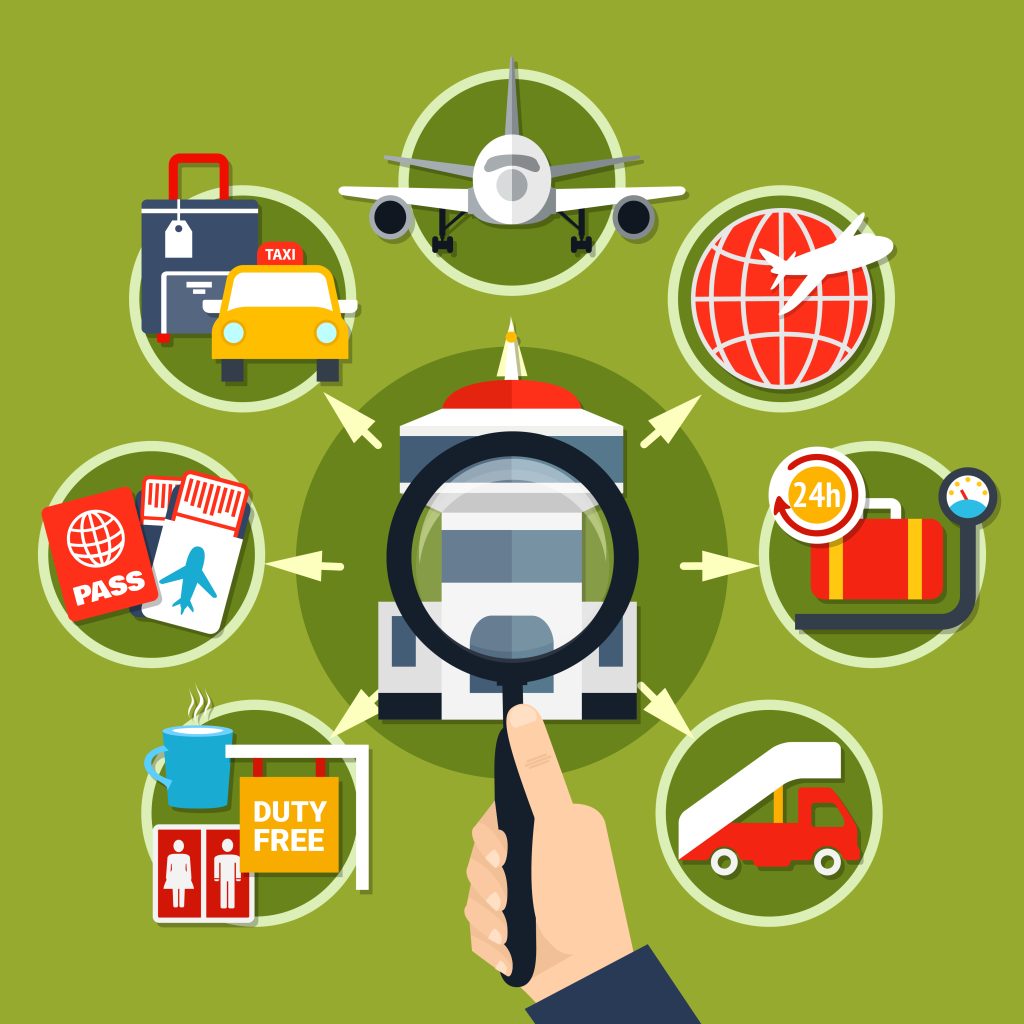
How to Manage Corporate Travel: Top Tips for Travel Managers

Corporate travel plays a vital role in driving business growth, supporting sales, attending conferences, providing training, and building relationships. However, managing these trips efficiently can be complex due to unpredictable issues like flight cancellations or sudden changes in plans. That’s why travel managers need to develop key skills and processes to ensure seamless, cost-effective, and compliant travel experiences. Corporate Travel Management Tips Smart strategies to streamline bookings, cut travel costs, and enhance employee satisfaction on business trips.
Here are the top strategies every travel manager should know to handle corporate travel bookings like a pro.
1. Book Flights Well in Advance
A common myth is that last-minute bookings offer better prices. In reality, airfare tends to increase as the departure date nears. Booking flights at least 60 days in advance can result in significant savings.
Encourage employees to submit travel requests early and provide a flexible date range. Mid-week travel (Tuesday–Thursday) is often cheaper and less hectic than weekend flights.
2. Proactively Manage Flight Cancellations
Flight disruptions can derail business travel. To minimize this risk:
- Use travel platforms that provide real-time updates on cancellations and delays.
- Choose airlines with flexible rebooking and refund policies.
- Always book a backup flight or opt for carriers with multiple daily flights on the same route.
Timely notifications allow travel managers to act fast and reduce downtime.
3. Create and Enforce Standard Operating Procedures (SOPs)
A standardized travel request process helps streamline workflows. Instead of scattered emails and messages, set up a clear SOP that includes:
- A booking request template
- Required employee details
- Pre-trip approval steps
4. Build a Robust Travel Inventory
Maintaining a well-organized inventory of preferred airlines, hotels, and transport providers can save time and money. Include:
- Trusted low-cost carriers (LCCs)
- Preferred hotels with corporate rates
- Local emergency contact details
- Employee travel preferences (for comfort and satisfaction)
Update this list regularly and gather feedback from employees to refine options.
5. Use Automation to Reduce Manual Work
Automating corporate travel processes drastically improves efficiency. Travel management platforms allow you to:
- Automate booking approvals
- Enforce travel policies
- Monitor compliance
- Track travel expenses in real-time
Why Automation is the Future of Corporate Travel Management Tips

Manual travel management is time-consuming, error-prone, and difficult to scale. Automation provides:
- Seamless booking and expense workflows
- Policy adherence across departments
- Data insights for cost analysis
- Better employee travel experience
For example, sales teams that travel frequently benefit from monthly travel planners. Automating approvals and tracking enables more control and visibility.
Final Thoughts
Managing corporate travel is more than just booking flights and hotels — it’s about ensuring employee safety, compliance, and cost-effectiveness. By adopting SOPs, building resource inventories, and integrating automation tools companies can significantly improve how they manage corporate travel.
With the right tools and policies in place, travel managers can provide a secure, smooth, and rewarding experience for employees while keeping company costs in check.
FAQs on Managing Corporate Travel
What are the key strategies for effective corporate travel management?
Book early, manage disruptions, create SOPs, build an inventory, and automate processes.
Why is early flight booking important?
Booking in advance reduces travel costs and avoids last-minute fare hikes.
What should a travel inventory include?
Airlines, hotels, healthcare providers, emergency contacts, and employee preferences.
How does automation improve travel management?
It reduces manual tasks, ensures compliance, and enhances reporting accuracy.
How can employee safety be ensured during travel?
Use travel risk assessments, provide insurance, and maintain communication protocols.