

6 Phases of Corporate Travel Management
As corporate travel continues to surge, companies are shifting from outdated two-phase processes to more advanced and comprehensive models. Today, businesses are adopting a six-phase corporate travel management process to better support employees and achieve higher returns on travel investments. Corporate Travel Management Process refers to the structured planning, booking, monitoring, and optimization of business travel to enhance efficiency and cost control.
What Are the 6 Phases of Corporate Travel Management?
Traditionally, corporate travel was limited to booking flights and hotels. However, modern corporate travel requires a holistic approach covering policy creation, 24/7 support, analytics, and more. Here are the six essential stages:
1. Travel Policy Formulation
A robust corporate travel policy is the foundation of any travel management system. It outlines rules for booking, budgets, accommodation standards, and employee entitlements based on their roles or grades.
Manual systems often lead to budget leaks and policy violations. Platforms automate policies and provide app-based visibility, allowing employees to request budget overrides with a single tap, ensuring better compliance and control.
2. Booking Flights and Hotels
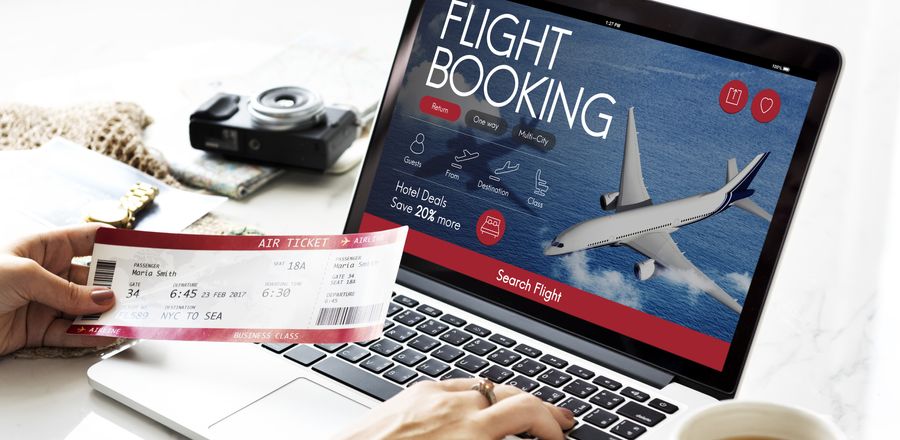
Booking is no longer just about finding the cheapest fare—it’s about balancing cost, safety, and employee comfort. Platforms enable self-booking that complies with company policies and centralizes all travel details. This simplifies travel planning and removes dependency on offline travel agencies or multiple OTAs.
3. 24×7 Assistance and CSAT Tracking
International trips often leave employees navigating unfamiliar situations—visa issues, hotel check-ins, or transportation. provides in-app hybrid support, connecting travelers to live agents any time of day. After every interaction, employees can rate the support, allowing administrators to monitor Customer Satisfaction (CSAT) scores in real-time.
4. Travel Consulting and Risk Assessment
Travel consulting is now a vital part of the corporate travel experience. Companies provide pre-travel briefings that include safety assessments, cultural etiquette, and visa requirements. Platforms integrate medical and security assistance, allowing admins to activate support services on demand.
5. Travel Support Services

Travel support goes beyond booking. It covers itinerary management, real-time updates, spend alerts, and automated travel reminders. Platforms consolidate trip plans, generate expense reports, and reduce pre-trip stress, making travel seamless and more efficient.
6. Reporting and Analytics

Analytics is key to optimizing travel spend. Real-time dashboards help monitor individual and group expenses, while quarterly and yearly reports provide insight into travel behavior and policy effectiveness. This enables data-driven updates to travel guidelines for better ROI.
Benefits of a Modern Corporate Travel Management Program
- Cost Efficiency through better tracking and compliance
- Time Savings with self-service and automation
- Enhanced Safety via integrated risk and medical support
- 24/7 Help Desk for real-time issue resolution
- Insightful Analytics to optimize future trips
Common Challenges in Travel Management Phases
| Phase | Key Challenges |
|---|---|
| Travel Policy Formulation | Aligning employee needs with cost-saving policies |
| Booking | Finding cost-effective, compliant options |
| 24×7 Support | Consistently managing travel disruptions |
| Reporting & Analytics | Ensuring data accuracy and actionable insights |
Conclusion
Managing corporate travel requires more than just booking tickets. The six phases of corporate travel management offer a structured, tech-enabled solution that enhances employee satisfaction, ensures compliance, and drives cost savings.
Platforms empower companies to streamline every phase—from policy creation to post-trip reporting. If you’re looking to improve your business travel processes, transitioning to this six-phase model is the way forward.
FAQs
What are the phases of corporate travel?
Travel policy, booking, 24×7 support, consulting, auxiliary services, and reporting.
How does 24×7 assistance help travelers?
It ensures employees get support for emergencies, travel issues, or last-minute changes anytime, anywhere.
Why are reporting and analytics important?
They provide visibility into spend patterns, policy compliance, and opportunities for cost optimization.
How does technology streamline corporate travel?
Tech platforms automate bookings, manage expenses, and centralize itineraries and support.

