H
How to Save Money on Business Travel: 5 Proven Strategies
In 2021, India’s business travel market exceeded $31.7 billion. Yet, many companies face a common problem—lack of visibility and control over employee travel. Studies show that nearly 50% of employees don’t inform their employers about travel bookings or accommodations, which often results in budget overruns and non-compliance. How to Save Money on Business Travel Smart strategies to reduce corporate travel costs without compromising comfort or productivity.

To reduce unnecessary spending and gain better control, companies must implement smart corporate travel practices. Here’s how to save money on business travel by systemizing processes, using the right technology, and optimizing policies.
1. Automate and Systemize Your Business Travel Program
A structured and automated travel program helps companies track bookings, expenses, and policy adherence. When approvals, bookings, and reporting follow a consistent flow, it becomes easier to detect irregularities or overspending.
By using automated alerts and dashboards, travel managers can get real-time insights into out-of-policy bookings and high-risk destinations. This not only helps ensure duty of care but also reduces last-minute changes and financial risks.
Benefits of systemization:
- Reduced manual errors and approval delays
- Better compliance and risk control
- Detailed insights into travel performance and ROI
2. Invest in Robust Travel Management Technology

Investing in a travel management platform allows organizations to streamline the entire travel process—from booking to expense tracking.
Look for a travel platform that:
- Handles end-to-end travel workflows (flights, hotels, cabs)
- Offers integrations with expense management tools
- Supports continuous updates and improvements
- Provides a user-friendly mobile experience
A modern travel tech solution should also include communication tools, allowing travelers to reach out to support or their managers in real time, ensuring better coordination during trips.
3. Involve Senior Leadership in Travel Planning
One of the biggest roadblocks to cost-effective travel management is lack of involvement from finance leaders. Travel managers need executive-level support to revise policies, enforce guidelines, and access budget insights.
When CFOs and senior decision-makers collaborate on business travel strategy, it creates alignment between cost control and business goals. Regular reviews, traveler feedback, and data audits can significantly improve the efficiency of your travel policy.
4. Understand the Needs of Millennial Business Travelers
Millennials now account for nearly 50% of corporate travel spending—a number expected to grow in the coming years. Understanding their preferences is critical to designing policies that are both cost-efficient and employee-friendly.
This generation values:
- Flexibility in booking
- Digital platforms for easy access
- Comfortable accommodations within budget
By aligning travel policies with the habits of younger travelers, companies can optimize travel experiences without exceeding budgets.
5. Keep Your Travel Policy Updated
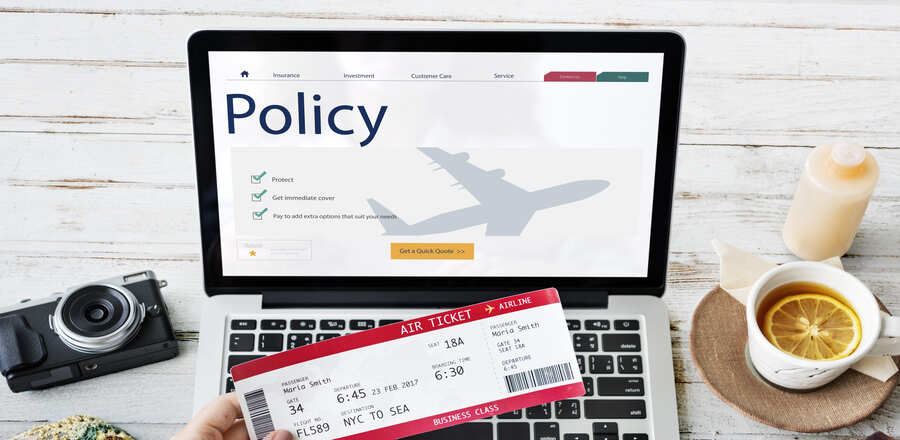
Your travel policy shouldn’t be static. In today’s evolving business environment, policies must be agile—adjusting for market changes, economic shifts, and employee needs.
Updating your travel policy regularly allows you to:
- Integrate new cost-saving tools
- Adapt to changing safety regulations
- Encourage in-policy bookings
- Reward employees for budget-friendly travel decisions
Smart companies are using data-backed platforms to track travel patterns and identify cost leakages. These insights help shape a more efficient and cost-conscious travel strategy.
Final Thoughts
Saving money on business travel is less about cutting corners and more about creating smarter systems. With the right tools, updated policies, and a culture of compliance, companies can reduce costs while improving the overall travel experience.
FAQs: Saving Money on Corporate Travel
How does systemizing improve travel cost control?
It streamlines approvals and provides visibility into spending patterns, reducing waste and ensuring compliance.
Why should companies use travel-specific technology?
It simplifies the travel process, improves employee experience, and supports cost-effective decisions through automation.
What should be considered when choosing a travel platform?
Look for end-to-end workflow coverage, easy integration with expense tools, and strong support features.
How often should you update your travel policy?
Regularly—at least every 6–12 months or whenever there are significant changes in business needs, markets, or technology.