
Understanding In-Flight Emergencies: Types and How to Handle Them
Air travel offers speed and convenience, but emergencies can occur without warning—especially mid-air, where help is limited. In-flight emergencies can range from sudden turbulence to more serious issues like cabin pressure loss or medical incidents. Being aware of the most common types of flight emergencies and knowing how to respond can significantly enhance your safety and peace of mind.
Common Types of In-Flight Emergencies
1. Weather-Related Turbulence
Turbulence is one of the most frequent issues during flights. It results from abrupt changes in air currents, causing the aircraft to shake or jerk. While usually not dangerous, it can be unsettling. Passengers should always follow seat belt instructions and stay alert to cabin crew announcements to avoid injuries.
2. Engine Failure
Though extremely rare due to stringent maintenance protocols, engine failures can occur. Modern aircraft are built with multiple safety systems to handle such events. Passengers should remain calm and follow all instructions from the flight crew, who are trained to manage emergency landings when necessary.
3. Medical Emergencies on Board
In-flight medical issues can range from mild discomfort to serious conditions like heart attacks. Cabin pressure changes may also cause symptoms like nausea or headaches. Passengers should promptly inform the cabin crew if they or someone else feels unwell. The crew can provide first aid and decide whether an emergency landing is required.
4. Cabin Pressure Loss
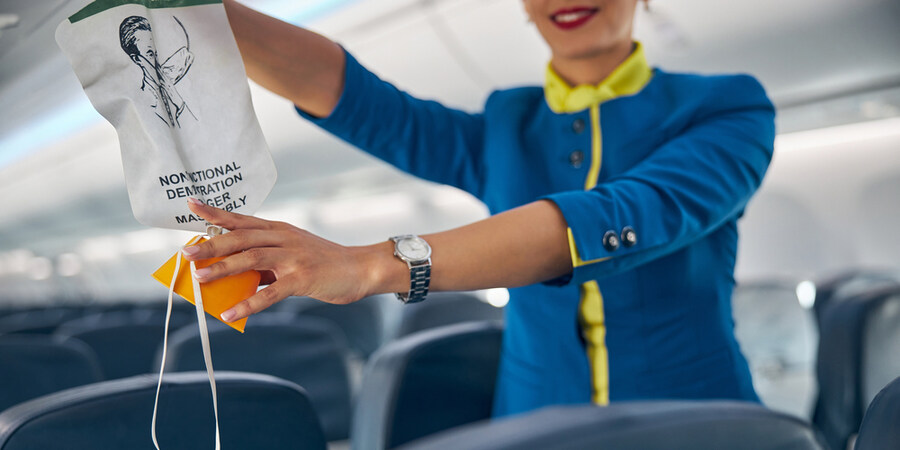
A sudden drop in cabin pressure can be dangerous if not addressed quickly. Oxygen masks automatically deploy in such cases to prevent hypoxia (oxygen deficiency). The pilot will typically descend the aircraft to a lower, safer altitude where passengers can breathe without supplemental oxygen.
Other Serious In-Flight Emergencies
5. Fire or Smoke in the Cabin
Smoke or fire can be a result of electrical issues or malfunctioning components. All commercial aircraft are equipped with smoke detectors and fire suppression systems. The crew will attempt to control the fire and may initiate an emergency landing if the situation escalates.
6. Emergency Landings
When any issue threatens the safety of passengers or the aircraft itself, pilots may perform an unscheduled landing. These landings follow strict procedures and are often supported by ground emergency teams, such as fire and medical services.
7. Hijacking or Security Threats
Although extremely rare, hijackings are among the most serious in-flight threats. These incidents require calm cooperation from passengers and staff. Trained personnel handle the crisis in coordination with aviation security agencies and government authorities.
✈️ Staying Safe During an In-Flight Emergency
Understanding how to react during emergencies can make a huge difference. Whether it’s fastening your seatbelt during turbulence or using an oxygen mask during cabin pressure loss, simple actions save lives. Remaining calm and cooperative with flight attendants ensures a faster, safer resolution.
Quick Tips for In-Flight Emergency Preparedness
- Always listen to the safety briefing.
- Know where the nearest exits are.
- Keep your seatbelt fastened when seated.
- Inform the crew immediately about any health concerns.
- Avoid unnecessary panic and trust the flight crew’s expertise.
Flight Emergency FAQs
What should I do during an in-flight emergency?
Remain calm, follow the crew’s instructions, and use safety equipment as directed.
Are there doctors on board during every flight?
Not always, but flight attendants are trained to manage medical emergencies.
How safe are commercial flights today?
Commercial airlines undergo regular safety checks, and crews are highly trained, making flying one of the safest travel methods.
What if there’s turbulence during a flight?
Stay seated with your seatbelt fastened and avoid moving around until the crew says it’s safe.
Can I help as a passenger during emergencies?
Yes. Stay calm, assist fellow passengers if needed, and follow instructions carefully.