Understanding Turbulence in Flights: Causes, Myths, and How to Stay Calm
Air travel, while efficient and exciting, can be unsettling for many—especially when turbulence strikes. Even frequent flyers can feel uneasy when the aircraft suddenly jolts or shakes. Though turbulence is a common and mostly harmless phenomenon, it can trigger anxiety and discomfort. In this blog, we’ll break down the causes of flight turbulence, debunk common fears, and offer helpful tips to manage both the bumps and the nerves. Turbulence in Flights: Causes, Types, and How to Stay Safe….
What Is Turbulence in Flights?
Turbulence refers to sudden, irregular movements of air that disrupt a plane’s smooth path. Often described as “rough air,” it’s caused by various atmospheric changes or disruptions. Essentially, turbulence is the result of conflicting air currents or obstructions in the flow of air.
Top Causes of Turbulence
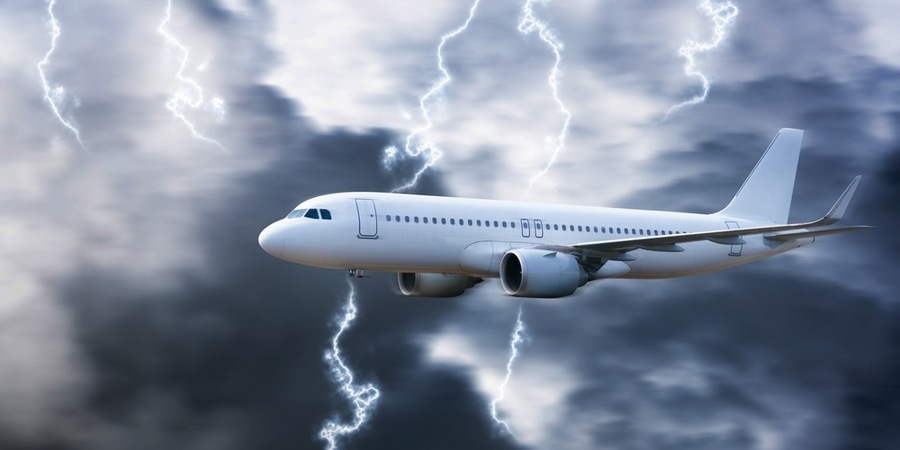
1. Storm Systems
Storms disrupt air movement, creating unstable currents that are a major cause of turbulence—especially in thunderstorms or cyclones.
2. Thermal Turbulence
Uneven heating of the Earth’s surface causes rising warm air to collide with colder air at higher altitudes. These temperature differences can lead to bumpy rides, especially in summer afternoons.
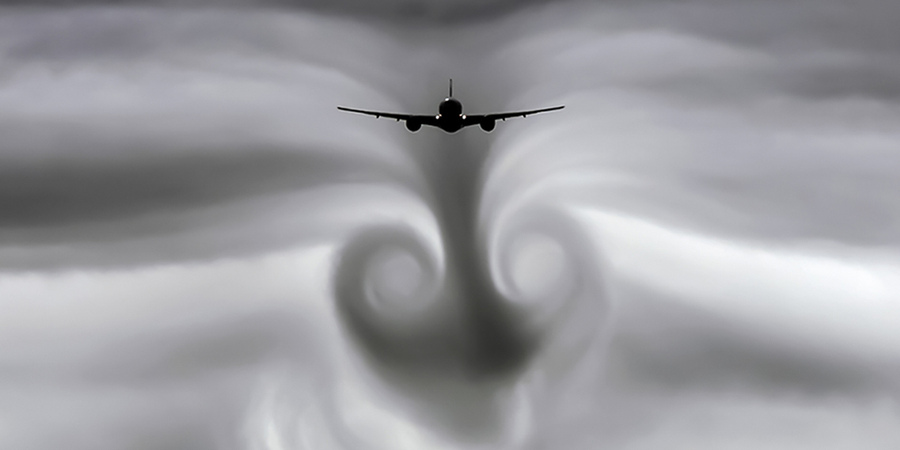
3. Wake Turbulence
Generated by other aircraft, particularly during takeoff or landing, wake turbulence is caused by the disturbed air left behind. It’s typically mild and brief but can be noticeable.
4. Mountain Wave Turbulence
When strong winds hit a mountain range, the air can rise and fall rapidly, creating waves of turbulence above and around the mountains.
5. Clear Air Turbulence (CAT)
CAT occurs without any visible signs like clouds or storms. Found at high altitudes near jet streams, it’s hard to detect but manageable with pilot expertise and modern radar systems.
Tips to Handle Turbulence While Flying
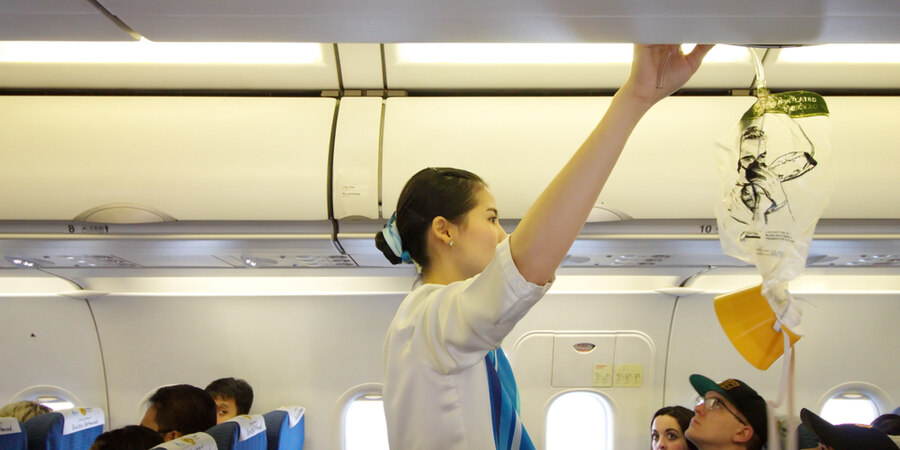
- Stay Seated and Buckled
Always wear your seatbelt, even when the seatbelt sign is off. Most turbulence-related injuries occur when passengers are unrestrained. - Trust the Aircraft and Crew
Planes are engineered to handle extreme turbulence, and pilots undergo extensive training to navigate it safely. - Avoid Resisting the Motion
Don’t brace or tense up. Relaxing your body makes the bumps feel gentler and less jarring. - Keep Perspective
In reality, planes rarely deviate more than a few dozen feet vertically during turbulence—even if it feels like a dramatic drop.
Coping with Turbulence Anxiety
Anxiety stems from a sense of helplessness, but there are ways to reduce that discomfort:
- Educate Yourself – Understanding what turbulence really is can reduce fear.
- Practice Deep Breathing – Breathing exercises can calm your nervous system.
- Stay Distracted – Listen to music, watch a movie, or read a book to take your mind off the motion.
- Talk to the Crew – Let the flight attendants know if you’re nervous—they’re trained to help.
Conclusion
Turbulence is an unavoidable part of air travel, but it doesn’t have to ruin your flight. With a little knowledge and preparation, you can face it calmly and confidently. The next time your plane hits a bumpy patch, remember—it’s a routine event for pilots and nothing to fear.
Turbulence in Flights FAQs
Are planes safe during turbulence?
Yes. Aircraft are built to handle turbulence, and pilots are well-trained to manage it.
How long does turbulence usually last?
Most turbulence lasts only 10 to 15 minutes.
Are night flights smoother?
Generally, yes. Night flights experience less atmospheric heating, resulting in fewer thermals.
Where should I sit to feel the least turbulence?
Seats over the wings or near the front of the plane typically experience less motion.