
Understanding and Managing Flight Cancellation Charges for Corporate Travel
In today’s dynamic business environment, change is inevitable. Despite meticulously planned business travel itineraries, unforeseen disruptions can lead to cancellations or rescheduling — often resulting in significant financial losses. Among the most common pain points for corporate travel managers are the high costs tied to flight cancellations. A complete guide to understanding and reducing flight cancellation charges for business travel.
This guide explores the intricacies of flight cancellation charges, why they are so steep, and how corporate travel managers can minimize their impact using strategic planning, corporate deals, and value-added services.
What Are Flight Cancellation Charges for Business Travel?
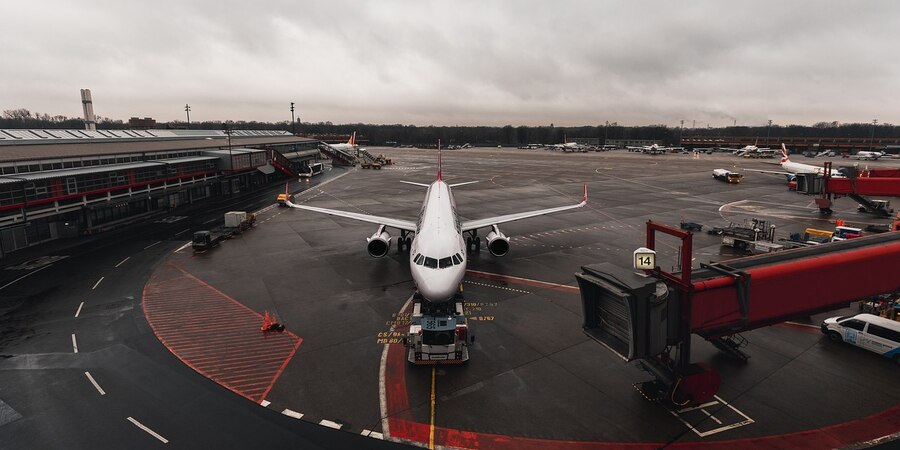
Flight cancellation charges are fees imposed when a passenger cancels or alters their flight booking. Airlines typically set these charges high to discourage last-minute cancellations and maintain full occupancy on their flights. The actual cost varies depending on factors such as ticket type, time of cancellation, and fare conditions.
Why Are Flight Cancellation Charges So High?
1. Managing Uncertainty in the Airline Industry
Airlines operate in a highly volatile environment influenced by factors like fluctuating fuel prices, geopolitical developments, weather disruptions, and more. To manage this unpredictability, carriers impose strict refund policies — particularly on low-cost, non-refundable tickets. On the other hand, more expensive, refundable fares come with lower cancellation fees, offering more flexibility.
2. Maximizing Revenue Potential
Airlines aim to operate at full capacity. Empty seats equate to lost revenue. By charging high cancellation fees, they discourage no-shows and last-minute cancellations. Many carriers also implement dynamic cancellation pricing—with fees increasing closer to the departure date—ensuring that cancellations happen early enough to allow for reselling the seats.
3. Planning Ancillary Services Efficiently
Operational costs, including crew salaries, catering, baggage handling, and airport logistics, are optimized when flights operate at full capacity. A reduced passenger count increases the cost per head. Cancellation fees help airlines offset these losses and better forecast service requirements.
How to Reduce the Impact of Flight Cancellation Charges
1. Understand Airline Cancellation Policies
Before finalizing bookings, travel managers should thoroughly review the airline’s cancellation and refund policy. Most airlines offer similar terms, but small variations can lead to big savings. Understanding these details helps avoid last-minute surprises and provides room for negotiation or alternatives.
💡 Tip: Reach out to airline customer service for clarifications or additional flexibility before booking.
2. Leverage Corporate Travel Offers
Many airlines offer corporate travel programs that include perks such as flexible rebooking, reduced cancellation fees, and account management services. These tailored deals are designed to accommodate the fluid nature of business travel and can significantly reduce financial risks.
3. Utilize Add-Ons and Travel Insurance
Airlines and travel platforms often offer add-ons such as:
- Travel insurance
- Flexible tickets
- 24/7 customer support
- Lounge access
- Emergency evacuation services
Though these may increase the base fare, they provide valuable protection against sudden itinerary changes, potentially saving much more in cancellation costs.
4. Create a Resilient Travel Strategy
Proactive planning is key. Corporate travel managers should:
- Establish strong relationships with vendors and airlines
- Negotiate volume-based discounts or cancellation leniency
- Encourage early bookings with flexible fare options
- Track and analyze past cancellations to adjust travel policies accordingly
These steps ensure a more adaptive and cost-effective travel program.
Conclusion
In an ever-evolving business landscape, unexpected changes to travel plans are unavoidable. By understanding flight cancellation policies and strategically using corporate offers and add-ons, businesses can significantly cut costs and enhance their travel efficiency.
Corporate travel managers must remain vigilant, informed, and proactive — always looking for ways to protect their organization’s travel investment while maintaining flexibility for their employees.
: FAQs
Why are flight cancellation charges so high?
Airlines use cancellation fees to manage unpredictable factors like fluctuating fuel prices, demand variability, and reduced load capacity.
How do airlines optimize revenue through cancellation fees?
They use dynamic pricing — increasing fees closer to the travel date — to encourage early cancellations and rebooking opportunities.
What can travel managers do to avoid hefty cancellation fees?
They can stay informed about policies, use corporate programs, purchase strategic add-ons, and plan flexible travel itineraries.
Do add-ons help manage cancellation risks?
Yes, add-ons often include travel insurance, itinerary flexibility, and customer support, making them valuable in uncertain situations.
Are cancellation charges refundable?
Refundable tickets typically allow refunds after deducting a minimal fee, unlike non-refundable tickets that offer little to no refund.
When might airlines waive cancellation fees?
In cases of emergencies such as serious illness, death, natural disasters, or military deployment, airlines may waive the charges.
Can travel insurance cover cancellation charges?
Yes, many travel insurance policies cover cancellation costs under specific conditions such as medical emergencies or unforeseen events.