
Exploring the Main Types of Tourism: A Comprehensive Guide
Travel has been an essential part of human life since ancient times. In today’s world, it has evolved into a structured and expansive industry known as tourism. With easier access to transportation and booking systems, the tourism sector has grown significantly over the years. To better understand its diverse purposes, tourism is categorized into various types. Let’s dive into the most prominent forms of tourism and how each serves a unique purpose.
1. Leisure Tourism
As the name suggests, leisure tourism is centered around relaxation, recreation, and enjoyment. This type of tourism includes vacations where people explore natural landscapes, historical sites, or urban centers while staying in comfortable accommodations like resorts or homestays. Activities might include sightseeing, shopping, tasting local cuisine, and engaging in fun activities.
Key Features:
- Focuses on relaxation and enjoyment
- Involves sightseeing, entertainment, and cultural exploration
- Common destinations include beaches, cities, and nature spots
- Ideal for escaping routine and recharging
2. Business Tourism (MICE)

MICE tourism—an acronym for Meetings, Incentives, Conferences, and Exhibitions—caters to corporate travelers. This type of tourism involves trips taken for professional purposes such as attending seminars, networking events, or business meetings. It requires detailed planning, budgeting, and logistical management by companies and organizers.
Key Features:
- Caters to professionals attending business events
- Promotes networking and professional development
- Boosts economic activity and industry growth
- Requires specialized services like event venues, AV equipment, and transport
3. Adventure Tourism
Adventure tourism appeals to thrill-seekers looking to engage in exciting and physically challenging experiences. These trips often take place in natural settings and include activities such as skydiving, rafting, hiking, bungee jumping, and dune bashing.
Key Features:
- Involves high-adrenaline, physically demanding activities
- Appeals to travelers seeking excitement and exploration
- Promotes personal growth and testing physical limits
- Popular in mountainous regions, forests, deserts, and coastal zones
4. Cultural Tourism
Cultural tourism allows travelers to deeply engage with the heritage, traditions, and artistic expressions of a destination. Tourists often visit museums, historical landmarks, local markets, and participate in traditional festivals or events.
Key Features:
- Focused on history, art, and local traditions
- Includes visits to cultural sites and events
- Encourages learning and cross-cultural exchange
- Enhances global understanding and appreciation
5. Ecotourism
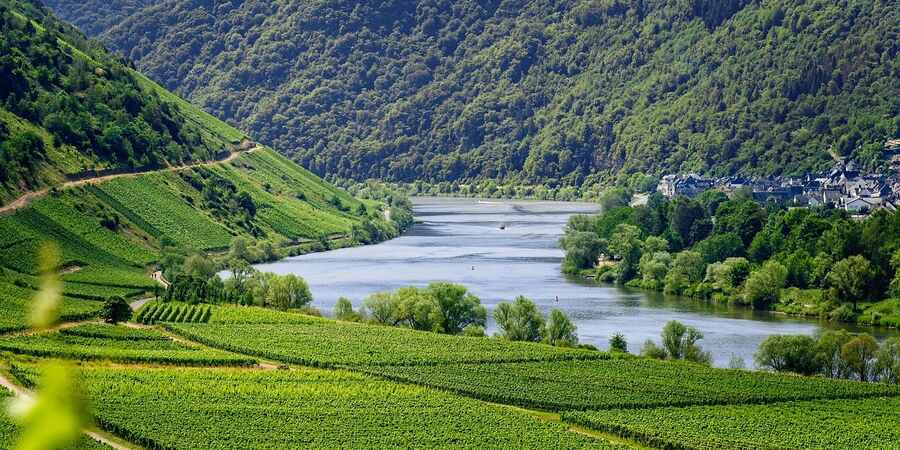
Ecotourism promotes responsible and sustainable travel to natural environments. Its goal is to protect ecosystems, support conservation efforts, and engage local communities. Activities include birdwatching, wildlife safaris, hiking, and staying in eco-lodges.
Key Features:
- Emphasizes environmental responsibility and conservation
- Encourages sustainability and minimal ecological impact
- Supports local economies and education
- Involves nature-based experiences like wildlife spotting and forest walks
6. Culinary Tourism
Also known as food tourism, culinary tourism revolves around exploring a destination’s local cuisine. Travelers indulge in authentic food experiences by visiting local eateries, attending food festivals, taking cooking classes, and interacting with chefs and food artisans.
Key Features:
- Centers on food tasting and culinary discovery
- Includes cooking workshops, street food tours, and market visits
- Highlights traditional recipes and regional flavors
- Offers insight into local culture through gastronomy
7. Pilgrimage or Religious Tourism
This form of tourism focuses on spiritual enrichment through visits to sacred places. Pilgrims travel to religious landmarks, attend spiritual gatherings, and participate in traditional rituals to strengthen their faith and seek inner peace.
Key Features:
- Involves visits to places of religious or spiritual significance
- Includes ceremonies, rituals, and sacred events
- Encourages reflection, devotion, and spiritual connection
- Popular among faith-driven travelers seeking peace or blessings
8. Wellness Tourism
Wellness tourism supports physical, mental, and emotional well-being. People embark on such trips to rejuvenate through activities like yoga, meditation, spa treatments, healthy eating, and holistic therapies.
Key Features:
- Aims at improving overall wellness and health
- Includes yoga retreats, spa visits, and fitness programs
- Encourages self-care and stress relief
- Often found in tranquil natural settings like mountains or coastal resorts
9. Rural Tourism
Rural tourism offers a peaceful escape to countryside regions where travelers can experience traditional lifestyles. This type of tourism promotes farming experiences, local crafts, and community-based activities.
Key Features:
- Centers on experiencing rural life and local traditions
- Involves farm stays, agricultural tasks, and village tours
- Encourages cultural exchange and sustainable living
- Supports rural development and local artisans
Final Thoughts
The tourism industry is vast and ever-evolving. While travelers may have different goals—be it business, relaxation, culture, or spirituality—the common thread lies in purposeful exploration. Understanding these major types of tourism can help individuals and travel planners choose journeys that align with their interests and values.
S
FAQs on Types of Tourism
What defines leisure tourism?
Leisure tourism is focused on relaxation and pleasure. It involves activities such as sightseeing, cultural experiences, shopping, and enjoying local entertainment, often in scenic or urban destinations.
What are the main features of business (MICE) tourism?
Business tourism involves professional travel for events like conferences and meetings. It requires organized planning, promotes industry growth, and includes specialized infrastructure.
How does ecotourism differ from other types?
Ecotourism focuses on sustainability, environmental conservation, and ethical travel. It promotes low-impact activities like nature walks and wildlife viewing, supporting both nature and local communities.