Why Do Airlines Overbook Flights? Understanding the Reasons and What to Expect
Ever wondered how airlines manage to sell more tickets than the number of seats on a plane? The answer lies in a common yet controversial industry practice—overbooking. This strategy allows airlines to minimize revenue loss due to last-minute cancellations or no-shows. By carefully analyzing booking patterns, airlines aim to ensure every flight takes off at full capacity. Airlines overbook flights to maximize revenue and offset losses from cancellations and no-shows.
While the idea may seem unfair, overbooking helps airlines maintain profitability and keep ticket prices relatively stable. In this article, we’ll explore why airlines overbook, how it affects passengers, and what rights and compensation options you have if you’re bumped from a flight.
What is Airline Overbooking?
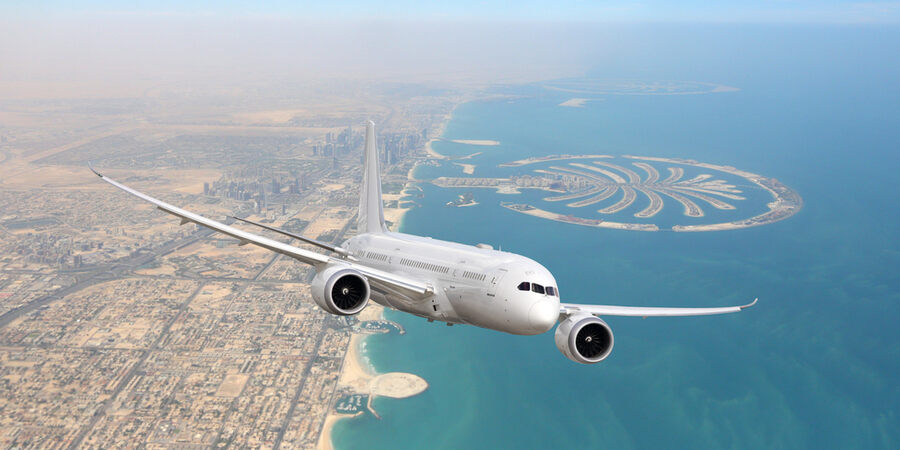
Overbooking (or overselling) occurs when airlines sell more tickets than the number of available seats on a flight. This strategy is based on historical data that shows a certain percentage of passengers either cancel their tickets or fail to show up.
For example, if an aircraft has 100 seats, an airline might sell 150 tickets based on trends suggesting that around 30% of passengers won’t show. This calculated risk often pays off, but when all ticketed passengers arrive—overbooking becomes a problem.
Why Do Airlines Overbook Flights?
The primary reason is profit optimization. Empty seats mean lost revenue, so airlines use algorithms and booking data to predict the number of no-shows. This allows them to maximize occupancy on each flight.
Here are additional reasons airlines overbook:
- Crew repositioning: Seats may be allocated for airline staff traveling to operate another flight.
- Weather or weight limits: Flights may need to reduce passenger numbers due to safety or weather conditions.
- Connecting flights: Delays or cancellations in other flights can result in more passengers than seats.
So, while overselling is the act of selling extra tickets, overbooking happens when more passengers show up than there are seats available.
Is Airline Overbooking Legal?
Yes, overbooking is legal in most countries, including under U.S. and European aviation laws. Airlines are allowed to deny boarding to passengers in certain situations, provided they follow compensation regulations.
In fact, overbooking helps control airfare prices by ensuring airlines don’t absorb too many losses from empty seats. However, airlines are obligated to offer compensation if passengers are involuntarily denied boarding.
What Happens If Your Flight is Overbooked?
When a flight is overbooked, airlines usually start by asking for volunteers to give up their seat in exchange for compensation or a seat on a later flight. If not enough people volunteer, the airline may involuntarily bump passengers.
The selection is often based on:
- Fare paid (lower fares more likely to be bumped)
- Check-in time
- Frequent flyer status
- Class of service
Certain travelers, like unaccompanied minors, military personnel, or those with disabilities, are often exempt from being bumped.
Compensation for Overbooked Flights
Compensation depends on the delay caused and the airline’s policies. Typical compensation options include:
- Cash payments (ranging from $200 to $1,300)
- Travel vouchers (often 2–3x the ticket value)
- Alternative flight bookings
In the U.S., if you’re delayed by more than an hour due to involuntary bumping, you’re entitled to compensation under the U.S. Department of Transportation (DOT) regulations. EU passengers may also receive compensation under EU Regulation 261/2004.
How to Avoid Getting Bumped
To reduce the chances of being bumped due to overbooking:
- Check in early
- Select a seat during booking
- Fly with premium or loyalty status
- Avoid standby tickets
Conclusion
Overbooking is a calculated business strategy that allows airlines to operate efficiently and keep ticket prices competitive. While it can lead to inconvenience, knowing your passenger rights, checking in early, and choosing your seat can help avoid getting bumped. And if it happens, you’re usually entitled to compensation—so be prepared to negotiate your best option.
FAQs: Airline Overbooking
Q1. Is it possible to avoid being bumped from a flight?
Yes, check in early, select your seat, and avoid low-cost or standby tickets to reduce the risk.
Q2. What’s the difference between overselling and overbooking?
Overselling refers to selling more tickets than available seats, while overbooking happens when more passengers show up than seats available.
Q3. Why doesn’t overselling always cause overbooking?
Because airlines expect a percentage of passengers to cancel or not show up.
Q4. What are common reasons for passenger no-shows?
Missed connections, speculative bookings, delays at customs, or last-minute plan changes.
Q5. Which airlines have the highest number of bumped passengers?
Historically, Southwest Airlines and American Airlines have recorded the most cases of involuntary bumping.