
The Modern Business Traveler: Evolution, Traits, and Travel Essentials
The business traveler meaning has undergone a remarkable transformation over the centuries. From ancient merchants traversing challenging terrains and braving the elements in search of trade opportunities to today’s tech-savvy corporate travelers booking trips with a few clicks—the journey has been long and fascinating.
In the digital era, Business traveler meaning heavily on technology, utilizing online platforms and self-booking tools to manage trips with efficiency and ease. In this article, we’ll explore the definition of a business traveler, identify the key traits of experienced professionals, and highlight how businesses can enhance the travel experience.
Who Is a Business Traveler?
At its core, a business traveler means someone who travels for work-related purposes. While the term may evoke images of sales representatives or executives shuttling between cities, the scope is much broader. Business travelers attend meetings, participate in industry events, explore new markets, meet clients, and manage company operations across regions.
These journeys often include both domestic and international destinations, with professionals traveling on behalf of their organizations. Whether it’s networking at a global summit or closing deals across continents, business travelers play a key role in driving growth.
Key Traits of a Successful Business Traveler
1. Travel Light
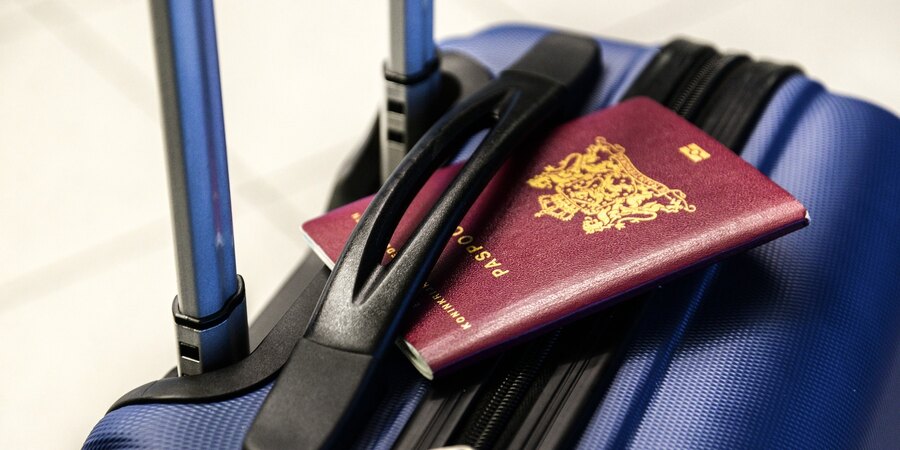
Efficient Business traveler meaning understand the importance of packing smart. Avoiding bulky luggage not only saves time at baggage counters and security checks but also reduces stress. A well-packed carry-on can streamline airport navigation and help professionals arrive at meetings prepared and punctual.
2. Clear Objectives
A successful business trip begins with well-defined goals. Knowing what you aim to achieve—whether it’s closing a deal or conducting market research—helps maintain focus and productivity. Avoid overloading your itinerary to prevent disruptions and stay aligned with business outcomes.
3. Tech-Savvy Approach
Leveraging technology is vital. Business travelers often use SaaS-based travel platforms like Paxes to automate booking, receive real-time updates, and manage expense reports—all from their smartphones. These tools simplify travel logistics and provide 24/7 support in case of emergencies.
4. Work-Life Balance
Effective business travelers know how to balance productivity with personal well-being. Staying connected with family, choosing accommodations that promote relaxation, and maintaining fitness routines all contribute to a healthier, more enjoyable travel experience.
Common Needs of Business Travelers
To ensure a smooth and productive journey, business travelers need:
- Efficient time management
- Reliable communication with their company
- Comfortable and well-connected accommodations
- Flexibility to modify travel schedules
- Safe and secure travel conditions
Enhancing the Business Travel Experience
Organizations can greatly improve the experience of their traveling employees by offering
- Pre-trip planning support
- Seamless check-in processes
- Flexible scheduling options
- Personalized travel policies
- Round-the-clock travel assistance
- Access to premium services and amenities
Final Thoughts

As the definition of business travel evolves, it becomes increasingly clear that technology, adaptability, and comfort are at the heart of a successful trip. Today’s business traveler is not only strategic and focused but also values well-being and efficiency.
By adopting the practices of seasoned travelers and embracing tools that simplify the travel process, professionals can make the most of every business journey.
Frequently Asked Questions (FAQs)
1. What is the most common reason for business travel?
Business development is typically the primary goal, such as attending meetings, expanding into new markets, or networking.
2. Are all expenses reimbursed on a business trip?
Most companies cover essential travel costs but may exclude personal expenditures.
3. How does business travel benefit employees?
It offers exposure to new environments, opportunities for networking, and a broader professional perspective.
4. What makes business travel different from leisure travel?
Business trips are purpose-driven, often shorter, and involve structured schedules, whereas leisure travel focuses on relaxation and personal enjoyment.
5. What challenges do business travelers face?
Common issues include maintaining safety, managing fatigue, and ensuring return on investment (ROI).
6. How do business travelers differ from tourists?
Business travelers prioritize convenience, location proximity, and efficiency, while tourists seek recreation and cultural exploration.
7. Who qualifies as a business traveler?
Examples include executives, consultants, journalists, sales reps, and government officials traveling for work.
8. What do business travelers expect from airlines?
Key expectations include punctuality, comfort, in-flight amenities, security, and flexibility.
9. How to find the best deals for business travel?
Using travel management companies (TMCs) or booking platforms can help secure competitive rates and simplify the booking process.
10. How to stay productive during business trips?
Using travel management apps allows travelers to manage schedules, bookings, and expenses in one place.
11. What factors should you consider when choosing a hotel?
Look for proximity to meeting venues, reliable reviews, essential amenities, and favorable policies.
12. How to maintain work-life balance while traveling?
Plan personal time into your day, avoid overworking, and prioritize mental and physical well-being.
13. What to do in case of travel disruptions?
TMCs, or travel insurance, can assist with rebooking and minimizing delays caused by flight cancellations or changes.
14. What features should a travel expense app have?
Look for receipt scanning, real-time syncing, expense categorization, and currency conversion.
15. Which apps help manage business travel expenses?
Popular choices include Expensify, Concur, Zoho Expense, Xpenditure, and TripIt.