
Understanding and Addressing Business Travel Needs
Corporate travel plays a key role in business growth—enabling companies to expand into new markets, meet clients face-to-face, and improve operational effectiveness. However, while cost efficiency is vital, understanding employees’ travel needs is equally important for a productive and stress-free business trip.
By addressing employee concerns—such as comfort, connectivity, and convenience—companies can improve overall business travel outcomes. Whether in a small startup or a multinational organization, the needs of traveling employees are largely the same: efficient travel, comfortable accommodation, and access to digital tools to stay connected and productive.
Key Business Travel Needs to Prioritize
1. Reliable Connectivity
Uninterrupted internet access is essential during business travel. Employees often struggle with poor or expensive Wi-Fi in airports, hotels, or during transit. Travel managers should ensure that employees have access to reliable connectivity at all times.
Additionally, support during disruptions—such as flight delays, health issues, or local emergencies—is critical. A modern travel management platform provides real-time alerts and 24/7 emergency support, ensuring travelers are never left stranded.
2. Travel Comfort
Comfortable travel translates directly to better productivity. Long layovers, inconvenient flight schedules, or lack of proper rest can drain employee energy. Booking direct flights, choosing accommodations near meeting venues, and arranging reliable ground transport ensures travelers can focus on their work rather than logistics.
3. Appropriate Accommodation
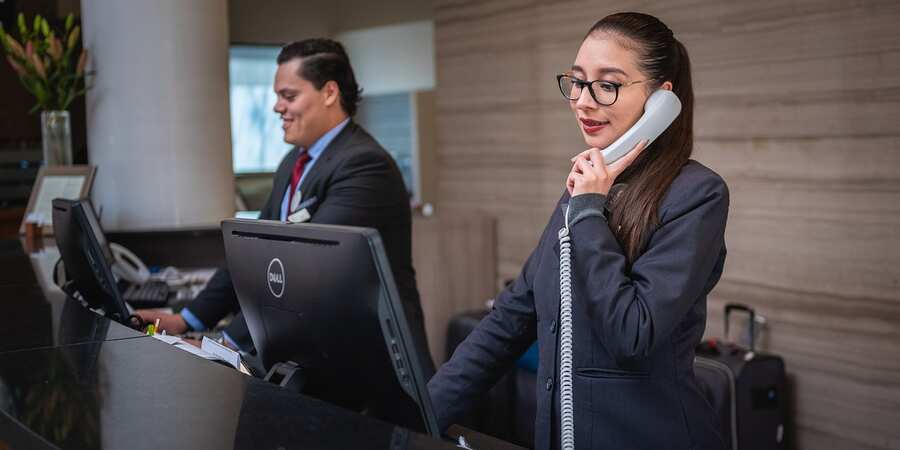
Sharing rooms may reduce costs but can compromise privacy, rest, and productivity. Companies should prioritize single-occupancy rooms with amenities such as:
- Fast, secure internet (included in the package)
- Workspace with a desk and chair
- Access to gyms or fitness centers
- Early check-in and late check-out options
- Proximity to business hubs and safe neighborhoods
Hotels with meeting rooms or coworking spaces are an added advantage for those handling client-facing roles or internal discussions.
4. Convenience on the Go
Convenience enhances the overall business travel experience. Employees prefer:
- Easy access to restaurants, entertainment, or shopping for after-hours relaxation
- Centrally located hotels for quicker commutes
- Intuitive travel apps for booking and itinerary management
- Paperless expense reporting and automated receipt capture
Platforms offer mobile-based self-booking, itinerary tracking, and expense management, reducing administrative burdens and errors.
5. Service Quality
Excellent service from airlines and hotels makes a big difference in traveler satisfaction. Poor service experiences can affect morale and overall productivity. Travel managers should allow employees to choose from pre-approved, policy-compliant providers they trust.
allows such flexibility, enabling employees to book preferred accommodations while ensuring policy compliance through controlled access and real-time tracking.
6. Loyalty Programs
Many frequent travelers appreciate loyalty rewards, such as airline miles or hotel perks. These programs not only enhance the employee’s travel experience but also provide long-term value to the company in terms of discounts and exclusive offers. Encouraging use of loyalty programs can improve traveler morale and reduce long-term costs.
Conclusion
Business travelers face numerous challenges—from jet lag and delays to work stress and time away from family. Ensuring a smooth, efficient, and comfortable travel experience enhances employee satisfaction, improves on-field performance, and reflects positively on the company’s travel culture.
By focusing on key needs such as comfort, connectivity, convenience, and service, and by using advanced tools, travel managers can deliver a superior travel experience that benefits both the employee and the organization.
Business Travel Needs – FAQs
Q1. What are two major trends in business travel?
Sustainable travel practices and the growth of bleisure (business + leisure) trips.
Q2. What challenges do business travelers typically face?
Flight delays, policy restrictions, lack of support during disruptions, and stress from tight schedules.
Q3. How does business travel benefit companies?
It helps build client relationships, expand market presence, and improve customer satisfaction through face-to-face engagement.
Q4. What risks do employees face during travel?
Flight cancellations, illness, accidents, terrorism, and loss of communication channels.
Q5. What do employees expect from a travel platform?
App-based access, real-time booking, self-service tools, and seamless expense reporting.
Q6. How can companies improve work-life balance during travel?
Encourage fitness, provide flexible travel schedules, and allow downtime or leisure activities.
Q7. What role does technology play in business travel?
Technology simplifies bookings, automates reporting, enables real-time alerts, and ensures duty of care.