
Managing Business Travel Stress: Causes and Smart Solutions
Business travel brings with it a unique set of uncertainties and challenges—flight delays, lost luggage, exhaustion, and even health risks. Employees often spend extended periods away from family, which can lead to feelings of isolation or homesickness. These stressors, combined with the recent pandemic, have made corporate travel more mentally and physically demanding than ever before. Managing business travel stress is crucial for maintaining employee well-being and productivity.
What Causes Business Travel Stress?
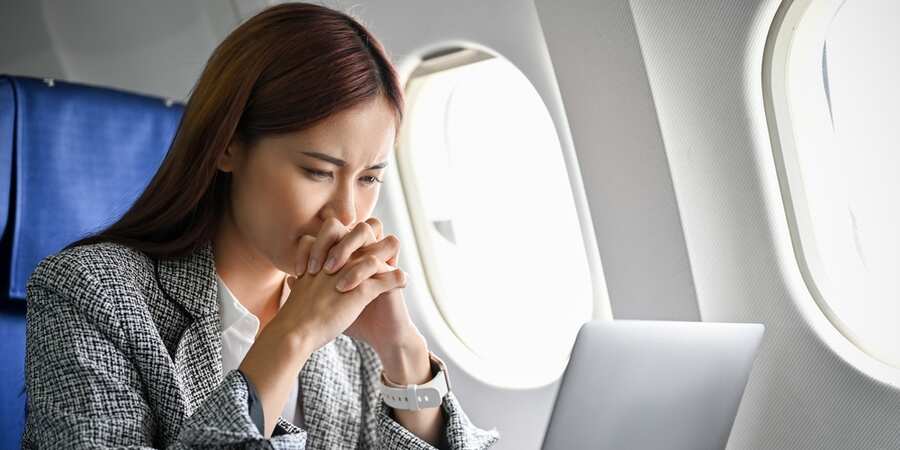
Traveling for work often means facing unfamiliar environments, people, and routines. This uncertainty can lead to anxiety and stress. In addition to personal concerns like family or health, the nature of business travel itself can trigger tension. Common causes include:
- Jet lag and sleep disruption
- Language and cultural barriers
- Performance pressure at meetings
- Missing important family events
- Lack of time for exercise or personal care
- Poor food choices or hygiene
- Unpredictable flight or transport delays
- Communication challenges in new places
4 Ways to Manage Business Travel Stress Effectively
Even experienced travelers are not immune to stress. However, with proper planning and support, it’s possible to reduce anxiety and make corporate trips more productive and enjoyable.
1. Plan Thoroughly Before the Trip
Start by organizing everything you need in advance. Make a checklist for essentials like:
- Travel chargers and power banks
- Toiletries and medications
- Comfortable clothing and noise-canceling headphones
- Important documents and meeting materials
Create a clear itinerary, including buffer time between meetings to accommodate traffic or unforeseen delays. Prepping your presentation beforehand can help minimize last-minute anxiety.
2. Simplify the Journey to the Destination
Try booking direct flights whenever possible to reduce transit time and travel fatigue. Choose hotels near the meeting venue or city center to minimize commute stress.
Using a travel management platform can make booking easy and compliant with your company’s travel policy. These tools allow quick access to flight and hotel options from global and local suppliers.
Use travel time wisely—sleep during flights or complete light tasks during layovers to arrive stress-free and on top of your work.
3. Reduce Stress During the Stay
Get ample rest before attending meetings to combat jet lag. A comfortable stay is essential, so prioritize hotels with good ratings and reliable services. Pre-arranging local transport will reduce last-minute hassles.
To unwind, take short walks, explore the local culture, or engage in a hobby. Physical activity, including light workouts or deep breathing exercises, helps relieve mental tension. Regular calls with loved ones can also offer emotional support.
4. Post-Trip Recovery
After returning, take a day to rest and reconnect with your family. Use this downtime to review the trip outcomes and prepare a concise report. This ensures accountability without unnecessary pressure.
Final Thoughts
Business travel stress is inevitable, but with the right tools and preparation, it can be managed effectively. Employers have a responsibility to support their teams during work trips, fulfilling their duty of care obligations.
A modern travel management platform empowers travelers with real-time support, easy mobile access, and policy-compliant booking. It simplifies logistics, boosts traveler satisfaction, and improves travel ROI.
By following these tips and using advanced SaaS-based travel solutions, companies can turn stressful business travel into a more productive and rewarding experience.
FAQs–
What health risks do business travelers face?
They include contagious illnesses, fatigue, back pain, injuries, digestive issues, and sleep disturbances.
Can training help reduce travel stress?
Yes. Employers should train travelers on nutrition, fitness routines, rest, and stress management techniques.
How can you identify stress or burnout?
Look for signs like insomnia, fatigue, low immunity, and lack of concentration.
What is post-trip stress?
It refers to stress that follows a business trip, often due to catching up on office work, managing home responsibilities, and submitting reports.
What causes stress during air travel?
Flight delays, unfamiliar airports, long security checks, and cramped seating—especially on long-haul flights—are major stress triggers.