
Low-Cost Carriers (LCCs): A Smart Option for Budget-Conscious Business Travel
Corporate travel policies are designed with three primary goals—ensuring employee safety, delivering a smooth travel experience, and managing travel budgets. Striking the right balance among these can be complex. Travel managers often seek affordable flight options that don’t compromise on safety or basic comfort. Low-Cost Carriers (LCCs) are a reliable solution that helps businesses adhere to policies while minimizing costs. These carriers meet the same safety standards as traditional airlines, making them a smart alternative for business travel.
What Is a Low-Cost Carrier (LCC)?
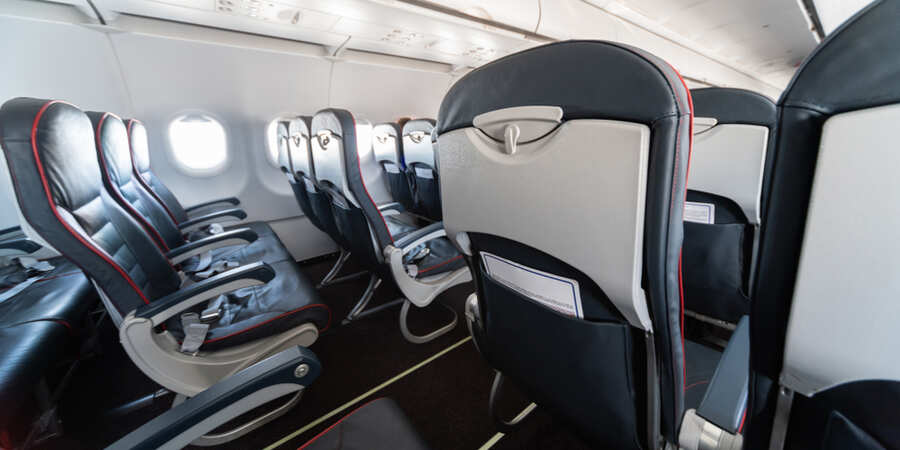
Low-Cost Carriers are airlines that operate with a “no-frills” approach, offering budget-friendly travel by cutting out extras typically included in full-service airlines. Meals, drinks, and checked baggage are not part of the base fare and must be purchased separately. While these airlines might skip luxury services, they maintain competitive safety standards and appeal to business travelers due to their alignment with cost-saving corporate travel policies.
LCCs often serve as testing grounds for new routes or act as feeder flights to hub airports, maximizing profitability on less popular or regional routes.
Why Are Low-Cost Carriers More Affordable?
LCCs utilize several cost-cutting strategies, such as:
- Operating a single aircraft model to reduce maintenance and crew training costs.
- Using secondary airports, which charge lower landing and terminal fees.
- Bypassing third-party agents, selling tickets directly through their websites to save on commissions.
- Offering unbundled pricing, allowing travelers to pay only for the services they use.
Some airlines go even further by adopting the Ultra-Low-Cost Carrier (ULCC) model, driving fares even lower through aggressive add-on pricing strategies.
LCCs and Business Travel: A Growing Partnership
Originally designed for leisure travelers, LCCs are now gaining traction among corporate travelers, especially in the post-pandemic era. With many businesses tightening their travel budgets, LCCs offer a reliable way to resume essential business travel without breaking the bank.
Frequent business flyers bring long-term value to airlines. As a result, LCCs are increasingly catering to this segment by offering flexible schedules, convenient routes, and optional upgrades—all while keeping fares low.
Full-Service Airlines vs. Low-Cost Carriers
| Feature | Full-Service Airlines | Low-Cost Carriers |
|---|---|---|
| Base Fare | Higher (includes services) | Lower (services charged extra) |
| Seat Comfort | More legroom, wider seats | Tighter seating arrangements |
| Meals & Drinks | Included in fare | Purchased separately |
| Route Focus | Major hubs | Point-to-point or regional |
| Aircraft Types | Multiple aircraft models | Usually one aircraft type |
| In-Flight Entertainment | Available | Rare or unavailable |
While full-service carriers focus on comfort and premium experience, LCCs emphasize affordability and operational efficiency.
Pros and Cons of Using LCCs for Business Travel
✅ Pros:
- Helps businesses stay compliant with travel budgets.
- Occasional promotions offer additional savings.
- Red-eye and off-peak flights reduce costs further.
- Secondary airports offer cheaper parking and shorter check-in times.
❌ Cons:
- Basic seating and limited amenities.
- Smaller airports may require longer ground transportation.
- Extra charges for essential services can add up.
Conclusion
Low-Cost Carriers are a practical choice for cost-conscious corporate travelers. By accepting trade-offs in luxury, businesses can achieve significant savings and better policy compliance. Platforms enhance this experience by simplifying the booking process and integrating regional LCCs and budget-friendly airlines into corporate travel programs.
Low-Cost Carriers for Business Travel FAQs
Q: Do Low-Cost Carriers operate long-haul flights?
Yes, airlines like Norwegian have pioneered long-haul LCC services, including transatlantic routes.
Q: Are there cheaper options than LCCs?
Yes, Ultra-Low-Cost Carriers such as Spirit Airlines, Allegiant, and WOW Air often offer lower fares than standard LCCs.
Q: Which days are cheapest for flying?
Tuesdays and Wednesdays typically offer fares around 24% lower than weekend prices.
Q: Is last-minute booking more affordable?
No. Booking at least 3–4 months in advance is recommended for the best rates.
Q: What are common complaints about LCCs?
Frequent issues include long commutes from remote airports and hidden fees for basic services.