Baggage Allowance: Everything You Need to Know for Smooth Air Travel
Business travel has become a vital part of corporate operations. To ensure a seamless flying experience, travelers must be well-versed with airline regulations—especially baggage allowance policies. These rules outline the permitted weight, size, and number of bags each passenger can carry. Understanding them helps avoid additional fees and ensures a hassle-free journey while contributing to aircraft fuel efficiency and sustainability.
Types of Baggage Allowance
There are two main types of airline baggage:
- Checked Baggage
- Carry-On Baggage
Let’s explore both in detail:
1. What is Checked Baggage?
Checked baggage refers to luggage that is stored in the aircraft’s cargo hold. Passengers do not have access to it during the flight. These bags typically include clothing, personal items, and essentials required for the trip.
Checked Baggage Policies
Policies vary between airlines but generally include:
- Weight Limit: Most airlines allow up to 23 kg (50 lbs) per bag. Excess weight may incur additional charges. Pro Tip: Weigh your luggage before leaving home to avoid surprise fees at the airport.
- Size Limit: Oversized bags might result in extra charges or even denial at check-in. Ensure your bags meet the specific size guidelines of the airline.
- Prohibited Items: Commonly banned items include firearms, explosives, and certain electronics. Always review the airline’s prohibited items list before packing.
Tips for Packing Checked Baggage
- Review your airline’s baggage policy.
- Use a packing list to avoid overpacking.
- Utilize compression bags for space-saving.
- Pack multi-purpose clothing.
- Ship bulky items ahead if needed.
- Leave space for souvenirs or shopping.
2. What is Carry-On Baggage?
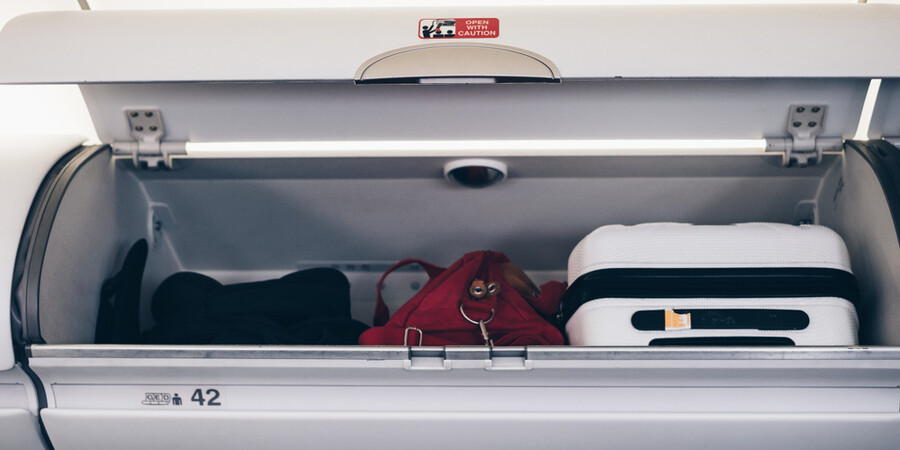
Carry-on baggage refers to bags that passengers can bring with them into the cabin. These typically include backpacks, handbags, laptop bags, or small trolleys. Carry-on luggage must be stowed either in the overhead bin or under the seat in front of you.
Carry-On Size & Weight Guidelines
Most airlines restrict carry-on luggage to a maximum size of 22 x 14 x 9 inches and a weight of around 10 kg (22 lbs). Be sure to verify specific guidelines with your airline prior to departure.
Prohibited Items in Carry-On Bags
Items typically not allowed in carry-on bags include:
- Liquids over 100 ml
- Sharp objects
- Flammable or hazardous materials
Tip: Always double-check the TSA or airline guidelines to avoid having your items confiscated.
Tips for Efficient Carry-On Packing
- Pack only essentials you’ll need during the flight.
- Avoid storing valuables in checked baggage.
- Never leave your carry-on unattended.
- Ensure all contents comply with safety rules.
Baggage Allowance & Sustainability
Every extra kilogram onboard contributes to increased fuel consumption and carbon emissions. Airlines implement baggage limits not only for passenger convenience but also to reduce environmental impact. Travelers can contribute by packing smartly and lightly, supporting a more sustainable future for air travel.
Conclusion
Understanding airline baggage allowance rules is essential for stress-free and sustainable travel. By staying informed about size, weight, and content limitations, travelers can avoid unexpected fees, prevent legal trouble, and contribute to a more efficient and eco-conscious travel experience.
Baggage Allowance FAQs
Q1: What is the weight limit for checked baggage?
Most airlines allow up to 23 kg, but it may vary depending on the route and fare type.
Q2: What is the weight limit for carry-on baggage?
Typically 10 kg, but always confirm with the specific airline.
Q3: What items are not allowed on a flight?
Firearms, sharp tools, explosive materials, and large liquid containers are commonly restricted.