
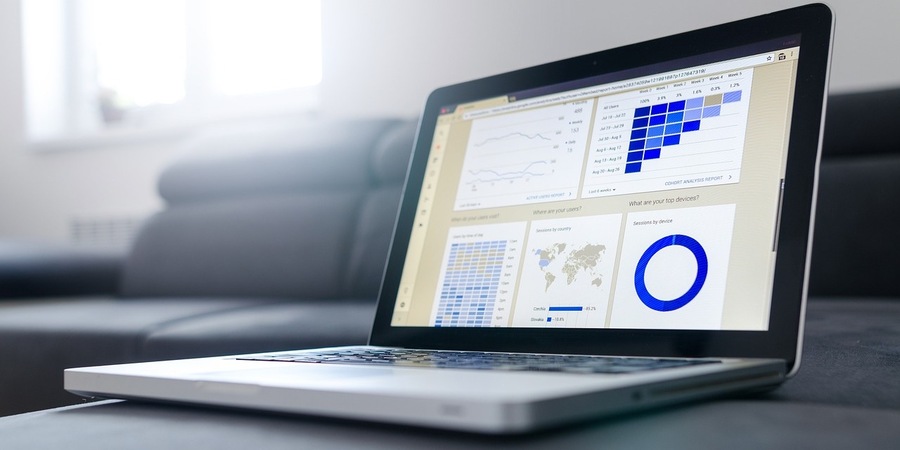
Business Travel Analytics: Driving Smarter Decisions and ROI
In today’s data-driven business environment, data isn’t just valuable—it’s essential. Organizations leverage data to uncover trends, refine strategies, and make forward-thinking decisions. Yet, despite significant digital transformation in Business Travel Analytics, many companies still struggle to harness travel data effectively.
That’s where business travel comes into play. By using analytics tools, travel managers can identify cost-saving opportunities, ensure policy compliance, and enhance employee satisfaction, ultimately increasing the return on investment (ROI) of corporate travel programs.
What is Business Travel Analytics?
Business travel analytics refer to the combination of technology, data practices, and analytical skills used to collect, process, and evaluate travel-related data within an organization. The goal is to extract actionable insights that improve travel policies, control costs, and optimize the overall travel program.
Core components of business travel analytics include:
- Collecting and processing business travel data
- Identifying trends and patterns
- Making data-driven decisions to improve corporate travel outcomes
By analyzing key performance indicators (KPIs), organizations can uncover inefficiencies, detect policy breaches, and implement effective strategies to enhance cost control and traveler satisfaction.
Types of Business Travel Analytics
Different types of analytics serve different purposes in the corporate travel ecosystem:
1. Descriptive Travel Analytics
Descriptive analytics focuses on summarizing historical and current travel data. It uses spreadsheets, charts, and dashboards to show trends and travel behavior across departments. While it provides a clear picture of what has happened, it does not explain the “why” behind the trends.
2. Diagnostic Travel Analytics
Diagnostic analytics digs deeper to understand the causes behind travel trends. For example, if one department consistently overspends on travel, diagnostic tools can reveal whether the issue stems from policy violations, last-minute bookings, or vendor choices. This method uses correlation and data mining to discover root causes.
3. Predictive Travel Analytics
Predictive analytics uses machine learning and advanced algorithms to forecast future trends based on historical data. It helps organizations anticipate traveler behavior, optimize travel policies, and make informed budgeting decisions.
Why Business Travel Analytics Matter

Incorporating travel analytics into your corporate strategy offers several significant benefits:
✅ Improved Travel Policy Compliance
By analyzing booking behaviors, travel managers can detect policy violations and take timely corrective actions to reduce overspending.
✅ Cost Reduction
Analytics help uncover patterns like frequent cancellations or last-minute bookings, allowing organizations to modify policies and reduce unnecessary expenses.
✅ Data-Driven Budgeting
Real-time analytics ensure more accurate forecasting and better budgeting. Compliance insights contribute to smarter resource allocation and improved ROI.
✅ Higher Employee Satisfaction
Understanding employee preferences through analytics allows travel managers to personalize travel experiences, leading to happier and more productive travelers.
✅ Optimized Vendor Management
Analyzing booking data helps identify high-performing vendors and negotiate better deals, ultimately building a reliable list of preferred suppliers.
How to Use Business Travel Analytics Effectively
Adopting a SaaS-based travel management platform can help businesses unlock the full potential of travel analytics. These platforms offer features such as:
- Custom Reports – Generate tailored reports based on travel behavior and expense categories
- Centralized Dashboards – Access real-time metrics across teams, departments, or regions
- Business Intelligence Tools – Leverage BI dashboards for deep insights into spending trends, ROI, and policy compliance
These tools enable travel managers and finance teams to make informed decisions that drive cost savings and strategic improvements.
Conclusion
Business travel generates a wealth of valuable data—if used wisely. Leveraging business travel analytics through tools enables organizations to enhance compliance, reduce expenses, and deliver better travel experiences. With accurate insights and real-time reporting, companies can transform travel management from a cost center into a strategic advantage.
FAQs
Q1. What is the process of business travel analytics?
It involves collecting, organizing, and analyzing travel data to generate insights that optimize travel policies and improve cost control.
Q2. What tools are used in business travel analytics?
Common tools include data visualization platforms, data mining software, predictive modeling, and BI dashboards.
Q3. How do companies benefit from travel analytics?
Travel analytics help detect cost leaks, monitor KPIs, and support strategic decision-making, improving both efficiency and ROI.
Q4. What are the three types of travel analytics?
Descriptive (what happened), diagnostic (why it happened), and predictive (what may happen next).
Q5. What is business travel analytics in simple terms?
It’s the use of data and technology to understand, manage, and improve corporate travel programs.

