Essential Travel Documents Checklist for Business Trips
In today’s interconnected world, business travel is vital for corporate growth—whether attending conferences, exploring new markets, or meeting key clients. Having the right documents ready before departure ensures smooth travel and peace of mind. This guide outlines the essential items business travelers should carry, from passports and visas to health records and travel insurance. Prepare this checklist to streamline your trips and stay focused on your objectives. Business Travel Document Checklist: All the Essentials You Need for a Hassle-Free Trip..
Steps to Create an Effective Travel Checklist
- List flight details, accommodations, and meeting schedules.
- Pack attire suitable for both business functions and local conditions.
- Include necessary presentations, business cards, and digital/physical materials.
- Organize receipts and setup a system for expense tracking.
- Bring medications, a first-aid kit, and insurance info.
- Ensure tech devices (laptop, phone) are charged and travel-ready.
- Plan ground transportation—car rentals, shuttles, or rideshares.
- Note check-in/check-out times and reservation details for easy reference.
Complete Business Travel Document Checklist
1. Passport & Visa
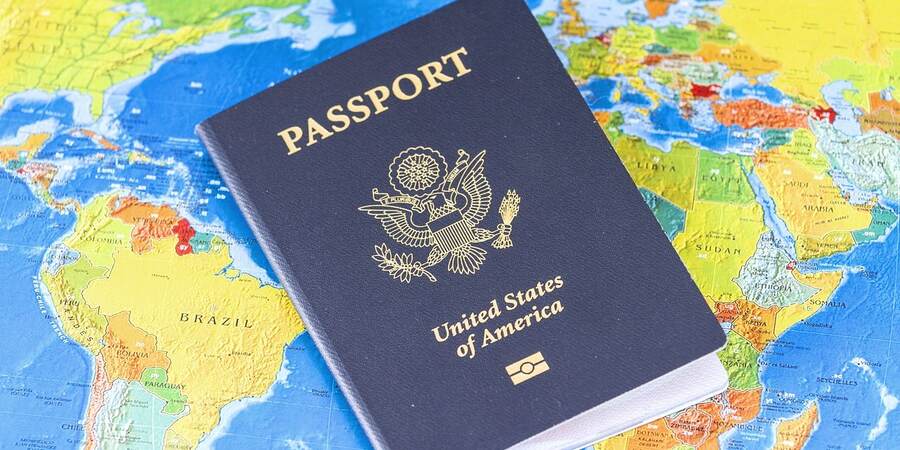
Carry a valid passport and obtain any necessary visas well in advance, as processing times can vary.
2. Travel Itinerary
Keep an updated itinerary with flight times, hotel addresses, and transport plans to stay organized.
3. Additional ID
Pack a driver’s license or national ID as a backup for identification and local rentals.
4. Business Invitation Letter
Required for many visa applications, this letter should state the purpose, duration, host details, and meeting agenda.
5. Travel Insurance
Essential for covering medical emergencies, trip disruptions, lost luggage, and more.
6. Company ID & Business Cards
These identify you as a corporate representative and aid in professional networking.
7. Currency & Payment Methods
Carry local cash and inform your bank to avoid blocked cards. Keep multiple payment options available.
8. Health Documents
Bring vaccination records and prescriptions. Research destination-specific medical requirements.
9. Local Contacts
Have the contact details of your company’s local office or representatives for assistance.
10. Emergency Contacts
Include both local emergency numbers and contacts back home for quick access.
11. Meeting Materials
Pack presentation files, marketing collateral, and any other essential materials in both digital and physical formats.
12. COVID-19 Documentation (if required)
Some countries still require proof of vaccination or negative test results—stay updated with official travel guidance.
13. International Driving Permit (if needed)
Required in many countries. Carry it alongside your standard driver’s license if you plan to drive abroad.
14. Customs Declaration Forms
Complete any needed paperwork ahead of time to avoid delays at immigration.
What Makes a Useful Checklist?
- Tailor it to your destination and trip purpose.
- Sort by priority, starting with travel documents.
- Adaptable format that you can reuse for different trip types.
- Digitally available via your phone or printed copy for quick reference.
- Update regularly based on travel experiences and evolving requirements.
Conclusion
A well-structured travel document checklist is your ticket to stress-free and productive business trips. From visas and passports to insurance and emergency plans, every detail matters. Keep this guide handy, personalize it to your needs, and travel confidently—ready to make the most of your international engagements.
Business Travel Documents FAQs
What is a business travel document checklist?
A curated list of essential papers and items needed for business trips.
Why is it important?
It prevents last-minute hassles like visa issues or denied boarding.
Is travel insurance mandatory?
Not always, but highly recommended to avoid unexpected complications.
What documents should be included?
Think passport, visa, itinerary, business ID, insurance, health records, and emergency contacts.
How can I keep them organized?
Use cloud storage, physical organizers, and digital backups to stay organized and secure.