
Business Travel Expense Deduction: A Complete Guide
Business travel expense deduction is a tax-saving provision that allows companies to reduce their taxable income by claiming expenses incurred during official travel. These deductions can significantly cut down the overall tax burden, provided businesses follow the relevant tax laws and maintain accurate documentation. Understanding the qualifying criteria and how to correctly claim deductions is crucial to ensuring compliance and maximizing benefits.
Key Guidelines for Business Travel Tax Deductions
1. What Expenses Qualify?
Not every travel expense is eligible for deduction. The most common deductible costs include:
- Airfare and transportation
- Hotel and lodging
- Meals and incidentals (like Wi-Fi, parking, or tolls)
However, personal expenses and entertainment costs generally don’t qualify unless explicitly linked to business objectives.
2. Purpose of Travel
The primary reason for the trip must be business-related. If a trip mixes both personal and professional activities, only the business-related portion of the costs can be deducted. Maintaining a clear boundary between personal and business expenses is essential to avoid complications during audits.
3. Duration and Necessity
To qualify as a business trip, the travel must be necessary and require the employee or business owner to stay away from their usual place of work. Overnight stays for meetings, training, or conferences typically meet this requirement, whereas short day trips may not.
Important Considerations
4. Record-Keeping Is Key
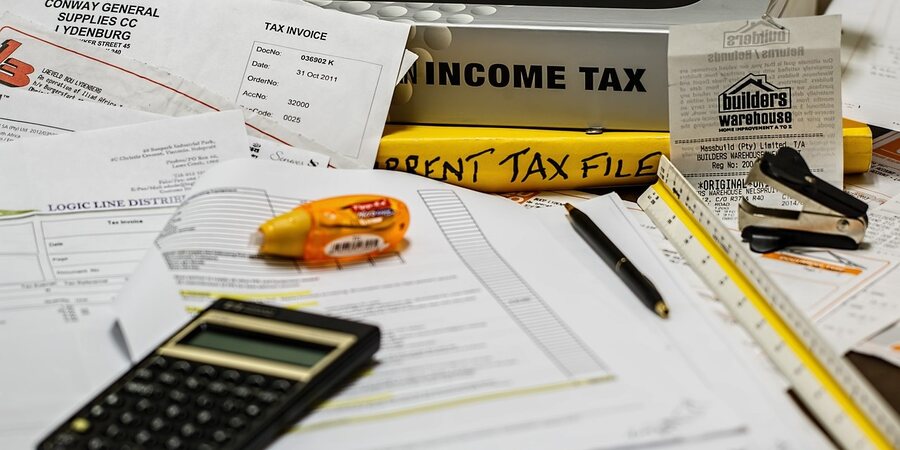
Accurate and well-organized records are critical. This includes:
- Receipts and invoices
- Travel itineraries
- Notes on the business purpose of the trip
The IRS requires this documentation to validate deductions, and poor record-keeping can lead to rejected claims.
5. Choosing the Right Deduction Method
Businesses can choose between two deduction methods:
- Actual Expense Method: Deducts the exact amount spent
- Per Diem Method: Uses standard daily rates set by the IRS for meals and lodging
The per diem method offers simplicity, while actual expenses might allow for higher claims, especially for long or international trips.
Who Can Claim Business Travel Deductions?
6. Employees and Employers Alike
Both business owners and employees are eligible for travel deductions, as long as the travel was necessary for business. Employees must keep receipts and document each expense clearly to ensure reimbursement and tax compliance.
Special Situations
7. Limits and Exclusions
Certain travel expenses are partially deductible or not deductible at all
- Entertainment (e.g. tickets to shows) has limited deductibility.
- Cruise travel is subject to additional restrictions.
- Personal incidentals are generally non-deductible.
8. International Business Travel
International travel adds complexity due to currency conversion, varying country tax laws, and treaties. Only the business portion of international trips is eligible for deduction, and careful planning is required to separate personal travel days.
9. Stay Compliant with Tax Laws
To successfully claim deductions, companies must follow all IRS rules. Staying up to date with tax code changes and consulting a professional accountant or tax advisor can help reduce risks, avoid penalties, and optimize tax savings.
Conclusion
Business travel expense deductions can offer substantial financial relief to companies by offsetting the cost of essential travel. However, claiming these deductions responsibly requires understanding eligibility criteria, maintaining proper documentation, and staying compliant with tax regulations. With the right strategy and professional guidance, companies can fully benefit from this tax-saving opportunity.
FAQs: Business Travel Expense Deduction
Q1. What is a business travel expense deduction?
It’s a tax deduction allowing businesses to reduce taxable income by claiming expenses related to official travel.
Q2. Are all travel expenses deductible?
No. Only necessary and directly related business expenses qualify. Entertainment and personal costs are usually excluded.
Q3. What counts as a business trip?
Any travel primarily for business purposes—like client meetings, training sessions, or conferences—can be considered a business trip.
Q4. Are receipts mandatory for deductions?
Yes, retaining receipts and documenting all expenses is crucial for audit-proof deduction claims.