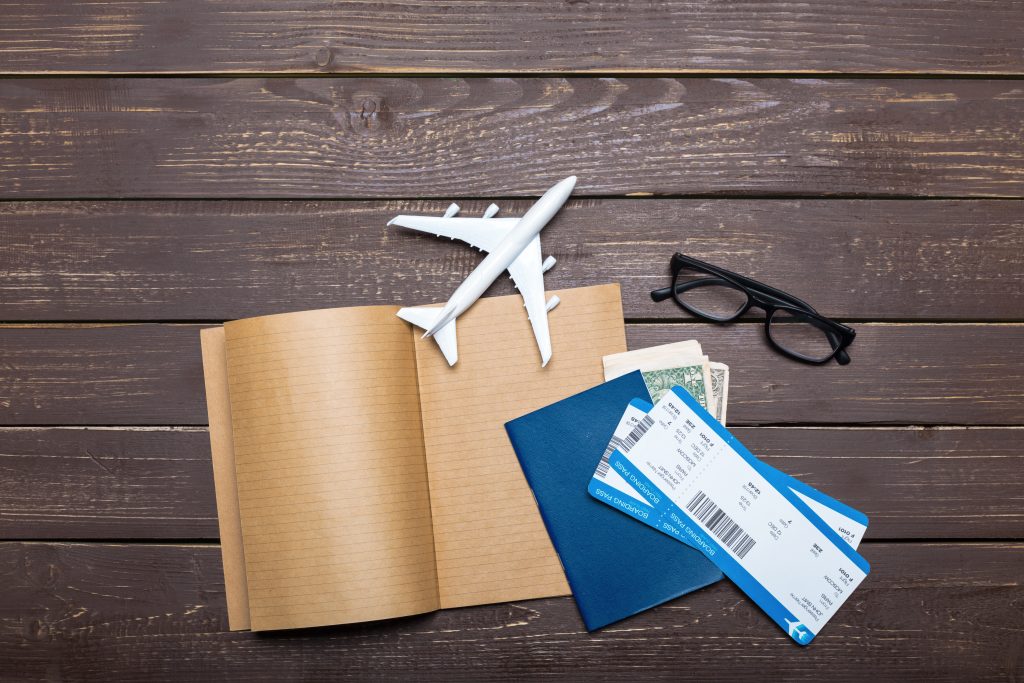
Essential Travel Documents for Domestic and International Flights
Traveling for work can be thrilling—but ensuring you have the right documents is often stressful. Airlines and border authorities have strict documentation requirements that vary by destination. To avoid delays or denied boarding, it’s crucial to know what you need for both domestic and international travel. Documents Required for Flights: A complete checklist of essential paperwork for domestic and international air travel.
Required Documents for Domestic Flights

- Valid Government-Issued Photo ID
Authorities require ID to verify your identity against your ticket. Depending on the country, this might be a passport, national identity card, or driver’s license. - Boarding Pass
After check-in—either at the counter or via self-service kiosks—you’ll receive a boarding pass. This is what grants access to the aircraft. - Ticket or Reservation Confirmation
It’s helpful to carry a copy or digital screenshot of your booking. This can assist if there are any discrepancies during check-in. - Travel Insurance (Optional)
While not mandatory, insurance can provide financial protection against unexpected events. Verify provider reliability before purchasing. - Documentation for Special Needs
If you require pet travel permissions, medical equipment approval, or wheelchair assistance, ensure you carry all necessary documentation.
Required Documents for International Flights
- Passport
Your passport must be valid for at least six months beyond your return date. Allow ample time for renewals to avoid last-minute issues. - Visa
Some countries require a valid visa for entry. Research requirements in advance and apply early to avoid delays. - Customs Declaration Form
Many destinations ask travelers to declare items like large sums of money or restricted goods. These forms are often provided on the flight or at immigration. - Embarkation/Disembarkation Card
These cards capture personal and travel information and are usually issued by the airline or immigration. - Proof of Accommodation
Carry hotel confirmations or invitation letters to demonstrate your stay plans to immigration officials. - Proof of Funds
Some countries require evidence of sufficient finances—such as bank statements or employer-sponsored letters—to cover your trip. - International Driving Permit (IDP)
Planning to drive abroad? An IDP, alongside your regular license, is mandatory in many non-English-speaking countries. - Vaccination Certificate (If Required)
For some destinations, proof of vaccination (e.g., COVID-19, Yellow Fever) is necessary. Check requirements before booking.
Final Reminders
- Keep your boarding pass until your trip is complete.
- Gather and verify all documentation early—last-minute problems can be costly.
- Don’t forget to check traveler guidelines for children or individuals needing special assistance.
FAQ on Travel Documentation
Q1: Do children need ID for flights?
Yes. For domestic flights, a birth certificate or similar photo ID is sufficient; for international travel, a valid passport is required.
Q2: How long must my passport be valid?
Typically at least six months beyond your return date, though some countries have different rules—always confirm before departure.
Q3: Are health documents needed for international travel?
Often, yes. Destinations may require COVID-19 test results or vaccination proof. Confirm current protocols before traveling.
Q4: What documents do I need for connecting flights?
You’ll generally need the same papers as for your final destination plus boarding passes/itineraries for each leg of the journey.