Key Airplane Safety Instructions You Should Know
Modern aircraft are exceptionally safe, thanks to advanced engineering and rigorous safety protocols. Still, handling thousands of moving parts in flight means unexpected events may occur. Flight crews are trained to prepare passengers for any scenario—including turbulence, cabin pressure changes, and emergency landings. Paying close attention to these simple safety tips could make all the difference. Airplane Safety Instructions: Key Tips for Staying Safe During Flights…
1. Always Wear Your Seat Belt
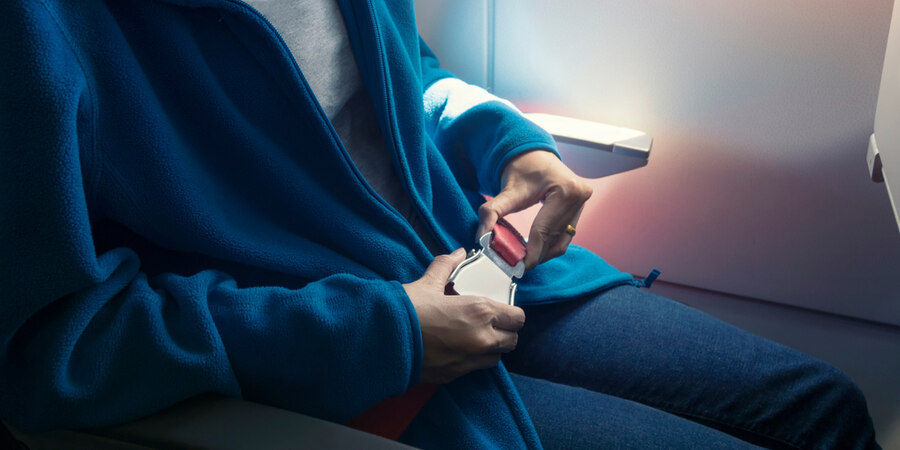
Even if the seat belt sign is off, always keep your belt fastened while seated. Sudden turbulence or abrupt maneuvers can cause jarring movement—your seat belt keeps you secure.
How to Use Your Seat Belt:
- Locate the buckle, usually on the seat or armrest.
- Insert the metal clip until it clicks.
- Tighten or loosen the strap for comfort—you should be snug but able to breathe.
- To unbuckle, lift the flap or press the release button and separate the halves.
.
2. Know Your Life Vest Procedures
Although rare, emergency water landings do happen. Knowing how and when to use a life vest is critical.
Steps to Use:
- Locate the vest under your seat or in the seat pocket.
- Slip it over your head and fasten the belt—ensure it fits snugly.
- Inflate only once you’re outside the aircraft by pulling the red tabs or blowing through the tubes.
- Use the whistle and light for visibility during rescue operations.
3. Familiarize Yourself with General Safety Measures
- Find the Emergency Exits: Locate both front and rear exits, even if you’re not seated close to them.
- Follow the Lighted Floor Path: If visibility is low, follow the illuminated floor markings to the nearest exit.
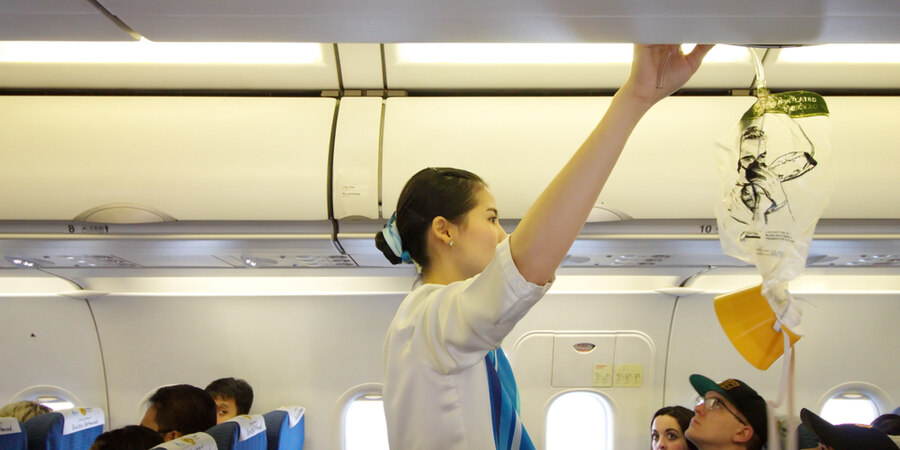
- Pay Attention to Safety Briefings: Flight attendants will demonstrate oxygen mask use, evacuation procedures, and more—listen carefully.
- Follow Crew Instructions: In emergencies, flight crew directions are your lifeline—follow them without hesitation.
- Follow Airline-Specific Guidelines: Every airline and aircraft may have unique safety features—read the safety card and listen to announcements.
Why Safety Briefings Matter
Even on routine flights, small oversights—missing a brace position, unbuckling too soon, or ignoring cabin pressure warnings—can lead to injury. Following these instructions ensures your safety and enhances the overall flight experience.
Safety Tips for Business Travelers
In addition to standard safety practices, business travelers should safeguard valuables, stay updated on travel alerts, maintain reliable emergency contacts, and adhere to global health protocols like COVID-19 guidelines.
Airplane Safety Instructions FAQ
Q: What if I missed the safety demo?
A: Safety cards are in the seat pocket. If you need help, ask a crew member anytime.
Q: Are airplanes safety-checked before takeoff?
A: Yes, extensive pre-flight inspections are performed before every departure.
Q: Should passengers pay attention even during regular flights?
A: Absolutely. Always fasten your seat belt, wear a mask if necessary, and listen to crew instructions.