
Corporate Travel Management Outsourcing: What You Should Know
As corporate travel volumes grow, so do the resources required to manage it effectively. Once your company exceeds 200 employees, keeping track of bookings, expenses, and traveler needs becomes a complex task. Handling this internally often distracts from core operations. This is where outsourcing travel management to a specialized provider can be a game-changer.
What Is Corporate Travel Management Outsourcing?
Corporate travel management outsourcing is the process of delegating your company’s travel planning, bookings (flights, trains, hotels), expense management, invoicing, data analysis, and 24/7 support to a professional Travel Management Company (TMC). These companies follow your travel policy while delivering efficiency and compliance.
🧩 Core Aspects of Corporate Travel Management
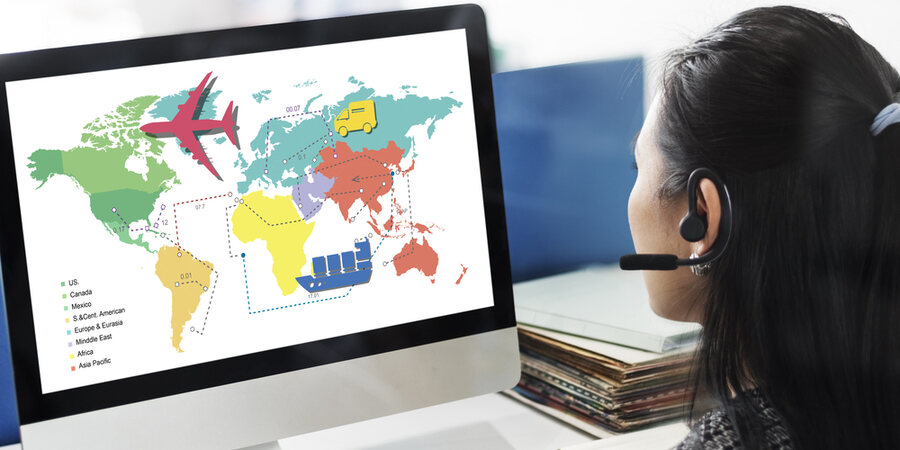
A robust travel program encompasses everything from pre-trip planning to post-trip ROI analysis. It serves not just travelers, but also finance teams, travel managers, and executive leadership—supporting business growth, brand presence, networking, and staff development.
Pre-Outsourcing Considerations
Before engaging a TMC, evaluate your organization’s travel needs and current challenges:
- Internal Needs Assessment
Consider whether your travel volume justifies outsourcing. Small startups may manage in-house, while mid‑ to large‑sized firms often benefit from professional support. - Performance Review
Identify gaps in your current process—whether poor traveler support, weak cost control, or delayed reporting—to help potential TMCs tailor their solutions. - Vendor Screening
TMC offerings may seem similar, but service quality, hidden fees, flexibility, and technology can differ dramatically. Research thoroughly to choose a partner that matches your expectations.
Benefits of Outsourced Travel Management

1. Strategic Planning
TMCs provide expertise in cost-efficient travel planning, policy alignment, and seamless itinerary design.
2. Efficient Bookings and Budget Control
With access to negotiated rates and predictive budgeting tools, TMCs minimize costs and reduce overruns—even during last-minute changes.
3. Expense Management
Automated integrations with your expense systems allow real-time tracking, speedy reimbursements, and data-driven insights.
4. Risk and Safety Management
TMCs monitor global threats—from health emergencies to political instability—and provide proactive support and emergency evacuation when needed.
5. KPI-based Analysis and Compliance
TMCs justify their value through transparent KPIs—measuring savings, traveler satisfaction, policy adherence, and duty-of-care metrics. They also handle visa support and global regulatory compliance.
🌐 Sustaining Global Operations
As businesses expand internationally, the demands of travel—technology, compliance, safety—grow more complex. TMCs bring cutting-edge platforms, AI-driven tools, and global networks to reduce complexity and cost, ensuring travel remains a strategic asset.
FAQs: Corporate Travel Management Outsourcing
What is corporate travel outsourcing?
Delegating all travel-related services to TMCs, covering booking, compliance, expense control, risk management, and traveler support.
Why outsource corporate travel?
To improve operational efficiency, ensure cost control, support travelers, and maintain policy compliance.
How can I choose the right TMC?
Evaluate based on your needs—budget, travelers, policy flexibility, technological capabilities, and industry expertise.
What are a TMC’s main services?
They include booking, vendor negotiation, compliance enforcement, traveler monitoring, invoices and expense reconciliation, reporting, and 24/7 support.
How does a TMC help with policy compliance?
By enforcing travel rules via automation, tracking expenses in real-time, and flagging or preventing policy breaches.
What cost models do TMCs use?
Expect transaction-based or management-fee models, often depending on travel volume and support level required.
What tech tools do TMCs use?
They employ integrated booking platforms with AI, mobile apps, expense portals, reporting dashboards, and traveler tracking systems.
What support should be expected during emergencies?
24/7 assistance for rebooking, evacuation coordination, risk alerts, health support, and on-trip communications.