Corporate Travel Safety: How Companies Can Protect Their Business Travelers
Business travel is an essential component of organizational growth, regardless of company size. Employees travel for multiple reasons — expanding markets, vendor development, client meetings, training, conferences, and trade shows. However, travel comes with inherent risks, and organizations must ensure the safety and well-being of their employees during business trips. Corporate travel safety ensures employee protection during business trips through risk management, duty of care, and proactive security measures.
Establishing strong corporate travel safety protocols is both a moral responsibility and a legal obligation, forming a core part of a company’s duty of care.
Understanding Duty of Care in Business Travel
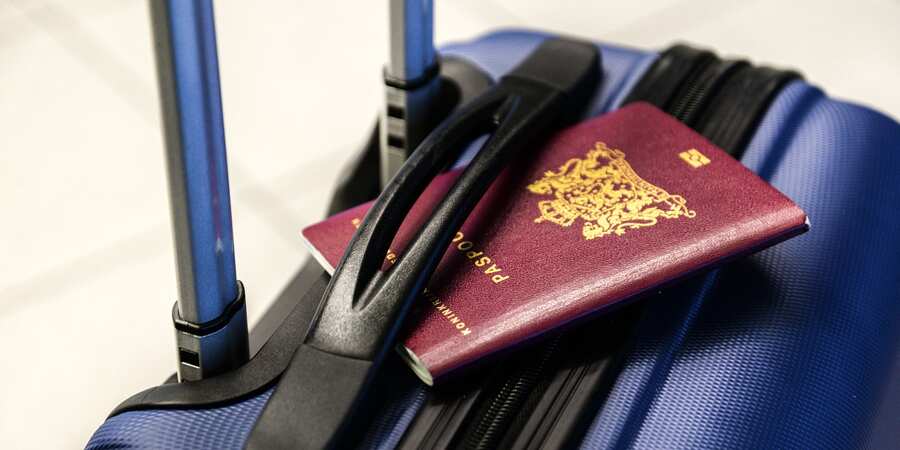
Duty of care refers to an employer’s legal and ethical responsibility to protect the health, safety, and security of employees, especially when traveling for work. To uphold this obligation, companies must implement robust travel safety policies and leverage travel risk management tools.
Even experienced travelers can be caught off-guard by unforeseen events such as:
- Illness or injury
- Theft or assault
- Natural disasters
- Political unrest or terrorism
A comprehensive travel safety program should include real-time communication, emergency support systems, and preventive risk assessment to mitigate such events.
Common Safety Risks in Business Travel
Business travelers face several potential risks. Understanding these helps organizations prepare and reduce exposure.
1. Health and Hygiene Risks
Jet lag, food poisoning, extreme weather conditions, or exposure to viruses can disrupt business trips. Pre-travel vaccinations, access to clean water, healthy food, and medical support are essential preventive measures.
2. Insecure Accommodation
Budget hotels may lack proper security measures. Companies should partner with vetted hotel chains that offer 24/7 security, surveillance, emergency exits, and fire safety compliance.
3. Political Instability
Protests, strikes, or civil unrest can impact travel plans and safety. Risk assessments, real-time alerts, and political situation monitoring are essential when planning travel to sensitive regions.
Why Corporate Travel Safety Matters

Ensuring employee safety during business trips is crucial for several reasons:
- Protects employee health and well-being
- Fulfills legal and compliance responsibilities
- Preserves brand reputation
- Enhances employee trust and morale
- Reduces potential legal and medical expenses
Key Elements of a Corporate Travel Safety Policy
An effective travel safety policy should be comprehensive, practical, and proactive. Key components include:
- Travel Approval Process: Standardized travel authorization and pre-approval system aligned with company policy.
- Pre-Trip Risk Assessment: Evaluate potential hazards based on destination, timing, and nature of the trip.
- Travel Insurance: Tie-ups with trusted insurers offering coverage for medical emergencies, cancellations, and evacuations.
- Safety Guidelines and Communication Protocols: Provide travelers with emergency contacts, security tips, and clear escalation channels.
Business Travel Safety Tips for Employees
Every trip should be preceded by risk assessment and awareness. Here are some actionable travel safety tips:
1. Develop a Custom Safety Policy
Tailor safety measures based on the company’s industry, employee roles, and destination risks. Include crisis response procedures, emergency contact chains, and behavior guidelines.
2. Leverage a Travel Management Program
Modern SaaS-based platforms offer real-time alerts, itinerary tracking, and emergency communication tools to ensure employee safety throughout the journey.
3. Implement Employee Tracking
Location-based tracking through travel management software helps employers monitor employee movements and respond swiftly to risks or disruptions.
Ensuring Safety for Solo Business Travelers
Solo travel poses unique challenges. Here’s how companies can protect lone employees:
- Provide detailed pre-travel briefings
- Conduct destination-specific risk assessments
- Share emergency contact numbers and protocols
- Book accommodation and transportation through vetted vendors
- Offer insurance coverage and on-ground support resources
Conclusion
With evolving global risks, organizations must go beyond compliance and adopt proactive safety strategies. A well-crafted corporate travel safety policy, combined with an intelligent travel management solution, ensures businesses fulfill their duty of care while safeguarding employees on the move.
Corporate Travel Safety FAQs
1. How does Duty of Care protect corporate travelers?
It ensures organizations assess risks, provide emergency support, and take responsibility for employee safety during business trips.
2. What is a travel management program?
It’s a platform or service that helps companies plan, manage, and optimize business travel while ensuring policy compliance and traveler safety.
3. What is a custom travel safety policy?
A policy tailored to specific organizational and industry needs to handle travel-related risks effectively.
4. How can business travelers stay safe?
By following travel safety protocols, staying aware of surroundings, using secure transportation, and keeping communication lines open.
5. Why is political instability a risk in travel?
It can cause delays, cancellations, or safety threats. Companies should consider political climates while planning business travel.
6. What safety rules should corporate travelers follow?
Carry valid ID, avoid unsafe areas, use trusted transport, avoid traveling alone at night, and follow company travel policies.