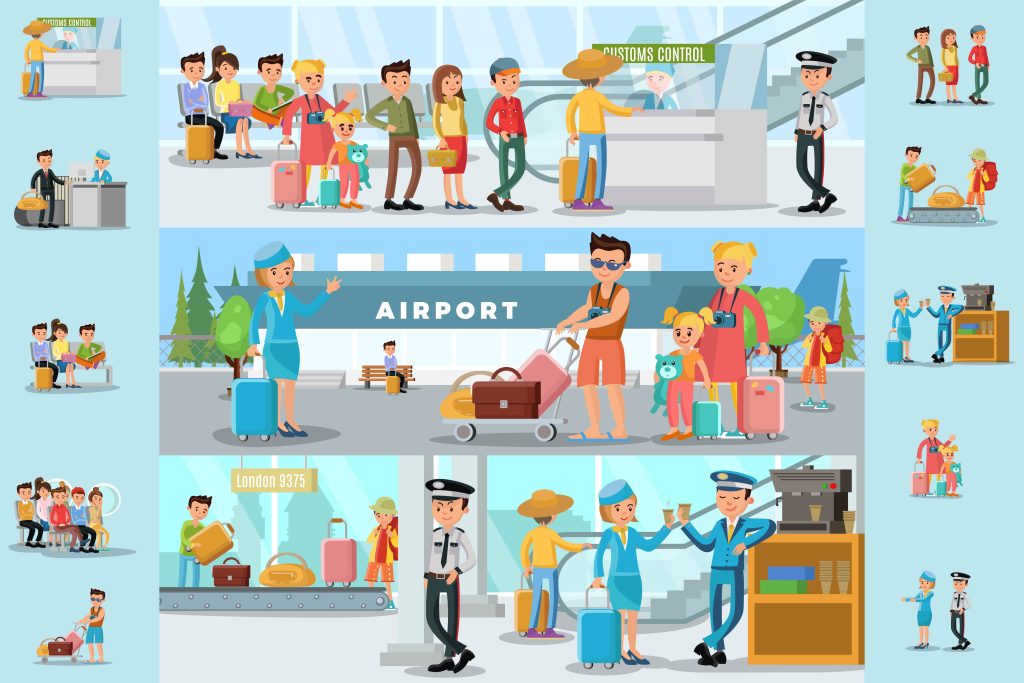
Understanding the Different Types of Airport Emergencies
In today’s fast-paced global economy, over 100,000 flights take off every day, ranging from cargo planes and commercial passenger aircraft to military jets. With this staggering volume of air traffic, the chances of operational malfunctions and critical situations also rise. To ensure the safety of passengers and staff, airport authorities are trained to manage a variety of emergencies. However, passengers should also be aware of potential airport emergencies and respond calmly without causing panic. Types of Airport Emergencies Stay informed about common airport emergencies—learn how to respond calmly to incidents like aircraft failures, fire outbreaks, and security threats.
Common Types of Airport Emergencies
1. Aircraft Malfunctions
Airplanes are complex machines prone to technical issues like engine failure, fire hazards, landing gear malfunctions, or mid-air collisions. These emergencies require immediate action to prevent significant losses in life and property.
2. Medical Emergencies
Airports see travelers of all ages and health conditions. In case of serious issues such as cardiac arrests or strokes, pilots may request emergency landings so medical staff can intervene swiftly. Airports are equipped to respond to medical incidents promptly and prioritize passenger health.
3. Fire Outbreaks and Power Failures
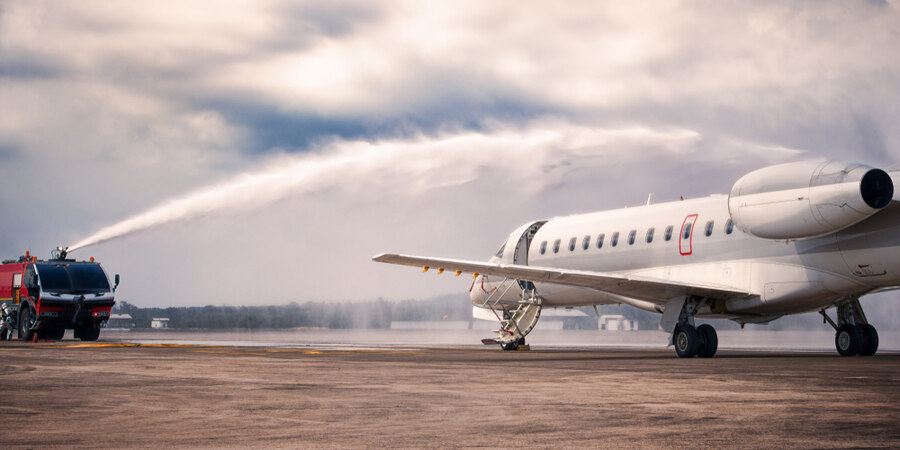
Electrical malfunctions or short circuits can trigger fires within airport terminals. Although fire safety protocols are in place, passengers must follow instructions and evacuate promptly if needed. Power failures can also affect lighting, communication, air conditioning, and other services—making cooperation with airport staff essential.
4. Security Threats
Due to the constant threat of terrorism and smuggling, strict security checks are enforced at airports. Authorities are trained to handle suspicious items, explosives, weapons, or illegal substances. Cooperation from passengers during screenings helps maintain safety and compliance with aviation laws.
5. Natural Disasters and Hazardous Material Leaks
Earthquakes, hurricanes, and other natural calamities require immediate action, such as sheltering in place or evacuating. Additionally, aircraft sometimes transport hazardous materials that can leak, necessitating evacuation and safety protocols to prevent contamination.
6. Runway Incursions
Runway incursions happen when unauthorized personnel, vehicles, or aircraft access an active runway. These incidents pose a serious risk of collision. Air traffic controllers work to prevent such breaches and maintain runway safety.
7. Aircraft Hijacking
Though rare, hijacking is a high-risk emergency requiring coordination among multiple law enforcement and national security agencies. Nearby airports may be shut down, and elite security units are deployed to manage the situation and ensure passenger safety.
8. Structural Failures
Damage or collapse of airport infrastructure—such as terminals, control towers, or hangars—can lead to major operational disruptions. In these cases, evacuations and urgent repairs are carried out to restore safety and functionality.
9. Bird Strikes
When birds collide with aircraft—particularly during takeoff or landing—they can cause serious engine or windshield damage. Airports deploy bird control measures like sound deterrents and habitat management to minimize this risk.
10. Communication Failures
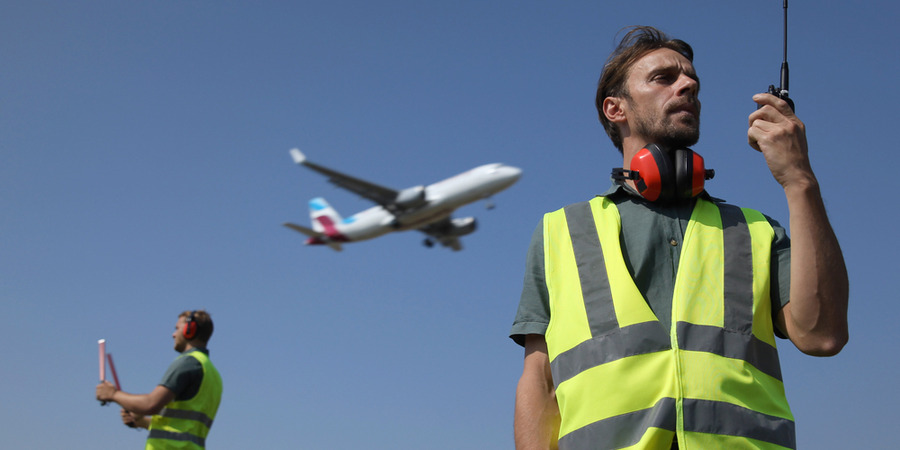
Smooth coordination between pilots, air traffic controllers, and ground staff depends on reliable communication. Any disruption—radio failure or system outages—can compromise safety. Airports implement backup systems and contingency plans to maintain operations during outages.
11. Aircraft Accidents
Though infrequent, crashes or collisions at or near airports demand immediate response. Emergency services, medical teams, and rescue personnel are activated to secure the site and aid survivors.
Preparedness and Passenger Responsibility
Each airport operates under a tailored emergency response plan based on its location, size, and traffic volume. These protocols are regularly reviewed and tested for readiness. As a passenger, staying informed and calm during emergencies helps ensure the safety of everyone involved.
FAQs: Types of Airport Emergencies
Q1: What qualifies as an airport emergency?
Any incident that disrupts airport operations or threatens passenger safety, such as fires, medical crises, or hijackings.
Q2: How should passengers respond to emergencies?
Remain calm, follow airport personnel instructions, and avoid spreading panic.
Q3: Can airport emergencies delay flights?
Yes, depending on the severity, emergencies can lead to delays, cancellations, or rerouting.
Q4: Are medical emergencies handled on-site at airports?
Yes. Most major airports are equipped with medical facilities and staff trained to provide urgent care, including ambulances for hospital transfers.