Understanding the Different Types of Corporate Travel
As corporate travel continues to grow, understanding the various types of business trips is essential for efficient travel planning and cost management. A clear classification helps employees and managers streamline reimbursement processes and align each trip with specific business goals.
Let’s explore the main types of corporate travel and how they support different business functions.
1. Trade Shows and Industry Events
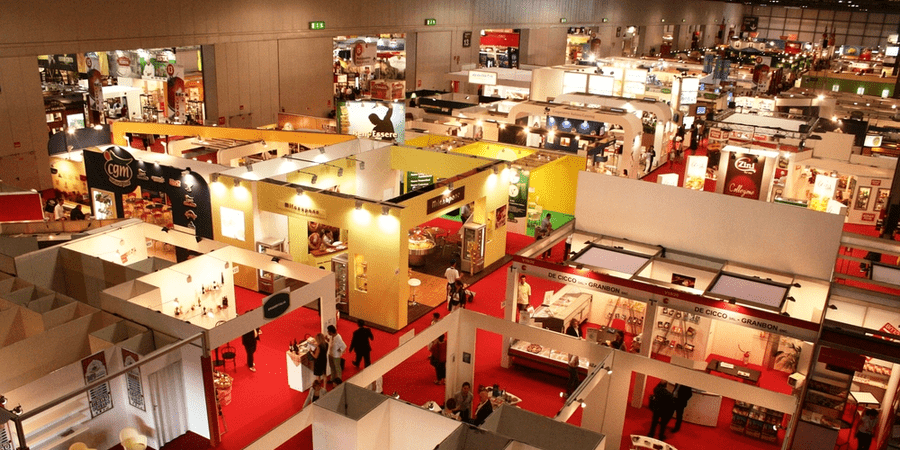
Organizations often send employees to trade exhibitions and industry events to stay updated with market trends, meet potential clients, and showcase products or services. These events are strategic platforms for expanding brand visibility and connecting with peers and experts in the field.
Planning travel for these events involves not just booking flights and accommodation, but also coordinating logistics for exhibition booths and material movement. Leading Travel Management Companies (TMCs) can simplify this process by offering comprehensive packages tailored to corporate needs.
2. Incentive and Recognition Travel
Reward-based trips, often referred to as incentive travel, are designed to recognize top performers and motivate teams. These leisure-oriented trips serve as a powerful employee engagement tool.
To ensure a smooth experience, companies must plan well in advance, considering safety, location suitability, and accommodation. Trusted TMCs offer 24/7 global emergency support and utilize platforms to ensure compliance with Duty of Care protocols, making incentive travel both safe and enjoyable.
3. Training and Development Programs
Employee training trips are vital for professional development and compliance with industry standards. These trips might be short workshops or extended certification programs.
Corporate travel managers must ensure safe transportation and comfortable stays for participants, while also managing costs and maintaining compliance. Whether it’s a one-day seminar or a week-long course, efficient travel coordination is key to successful training.
4. Sales and Service Visits

Sales and service teams frequently travel to meet clients, close deals, and provide after-sales support. These trips are crucial for driving revenue and ensuring customer satisfaction.
Since sales personnel often cover large territories, efficient planning of their travel routes and schedules is vital. Similarly, service engineers need prompt travel arrangements to address customer issues, reinforcing trust and loyalty.
5. Bleisure Travel

“Bleisure” combines business and leisure, allowing employees to explore new places once their business commitments are fulfilled. It offers a valuable opportunity to unwind without taking extended time off, which can lead to better mental well-being and productivity.
Organizations increasingly support bleisure trips, recognizing their role in boosting employee satisfaction. Planning these journeys requires a good grasp of travel logistics, local attractions, and safety protocols.
Managing All Types of Business Travel
A modern travel management platform streamlines all corporate travel types by offering:
- Clear travel policy implementation
- Centralized travel booking
- Traveler segmentation based on needs
- Partnerships with preferred vendors
- 24/7 traveler support and alerts
- Emphasis on safety and compliance
Conclusion
Corporate travel plays a vital role in achieving various organizational goals—from sales growth and talent development to brand promotion and employee recognition. By categorizing and managing these trips effectively through a dedicated TMC or platforms like Paxes, companies can enhance travel efficiency while maintaining cost control and safety.
Frequently Asked Questions (FAQs)
Q: What is corporate travel for trade exhibitions and events?
A: These are trips where employees attend or organize industry-specific events to promote the brand and gain market insights.
Q: What is incentive travel?
A: A reward-based trip offered to employees as a token of appreciation for exceptional performance.
Q: How is travel arranged for training programs?
A: Companies work with TMCs to book travel and accommodations for employees attending off-site training or certification sessions.
Q: How does bleisure travel benefit employees?
A: It helps employees relax after business activities, leading to better morale and productivity.
Q: Are there mobile apps to manage travel?
A: Yes. Popular apps include Paxes, TripIt, Concur, TravelPerk, and TripActions.
Q: How can I access corporate booking platforms?
A: Your organization’s travel department or admin will provide access credentials and training for these platforms.