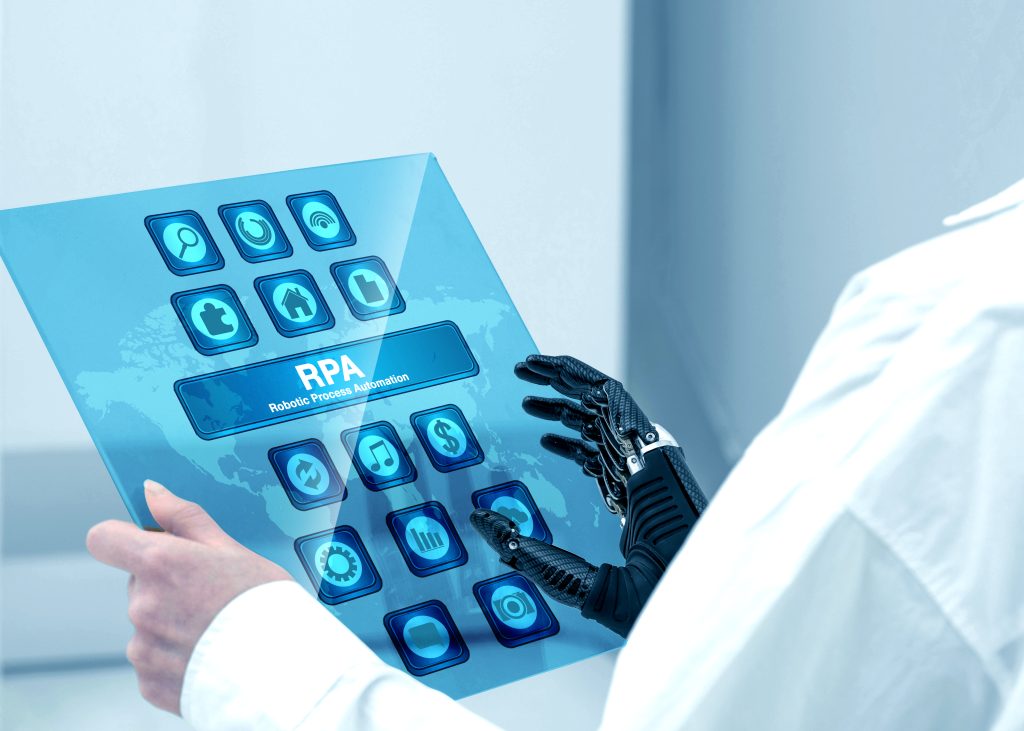
Will AP Departments Be Fully Automated by 2030?
Accounts Payable (AP) departments are undergoing a rapid transformation, fueled by advancements in AI, machine learning, and intelligent automation. As businesses demand more speed, accuracy, and transparency in their financial operations, the question arises: Will AP departments be fully automated by 2030?
With smart platforms like processify leading the way, full automation is not just a possibility—it’s fast becoming a strategic necessity.
The Current State of AP Automation
Many organizations have already begun automating parts of their AP process—invoice scanning, approval workflows, vendor portals, and payment scheduling. But in most cases, these systems still require human intervention, particularly for exception handling and complex decision-making.
processify, however, is helping businesses take a leap forward by offering intelligent AP automation that not only reduces manual effort but also learns and adapts over time.
What Does “Fully Automated” Mean for AP?
A fully automated AP department would mean:
- No paper-based processes
- Touchless invoice processing from receipt to payment
- Real-time data syncing with ERP and accounting systems
- Automated fraud detection and compliance checks
- AI-driven insights for better cash flow and vendor management
With processify, companies are already moving toward this reality—streamlining repetitive tasks and creating room for strategic financial operations.
Why Full AP Automation Is Likely by 2030
Here’s why a fully automated AP department by 2030 is realistic:
✅ 1. Technological Maturity
AI, machine learning, and OCR (optical character recognition) are now highly reliable and integrated into platforms like processify, making end-to-end automation possible.
✅ 2. Cost Efficiency
Businesses realize that automation not only reduces labor costs but also prevents late fees, duplicate payments, and fraud.
✅ 3. Demand for Real-Time Data
Modern finance leaders need live dashboards, not monthly reports. Automation tools provide real-time visibility that manual processes can’t match.
✅ 4. Compliance & Audit Readiness
Regulatory pressures are growing. Automated AP workflows with built-in audit trails make compliance seamless.
✅ 5. Remote & Hybrid Work Models
As teams work from different locations, cloud-based AP automation like processify enables secure, centralized control without needing to be in the office.
How processify Is Powering the Future of AP

processify is more than an automation tool—it’s a digital transformation engine for finance teams. Here’s how it supports the shift toward full AP automation:
- Smart Invoice Capture: Extracts and processes data from invoices with near-perfect accuracy.
- Automated Approval Routing: Sends invoices to the right stakeholders based on custom workflows.
- 3-Way Matching: Matches invoices, purchase orders, and receipts automatically.
- Scheduled Payments & Alerts: Ensures payments are made on time, with full audit tracking.
- Integrated Vendor Portals: Vendors can submit invoices and track status—no emails required.
- Analytics & Reporting: Provides insights on AP cycle times, bottlenecks, and vendor performance.
Will Humans Still Be Needed in AP?
Yes—but not for routine data entry. Instead, AP professionals will shift toward:
- Managing vendor relationships
- Analyzing spending trends
- Overseeing exception handling
- Strategizing on cash flow optimization
With processify handling the repetitive tasks, finance teams can focus on high-value work.
Conclusion
By 2030, fully automated AP departments won’t be a futuristic dream—they’ll be the norm. Platforms like processify are already making this transition possible today, enabling businesses to work smarter, faster, and with greater control.