T
Work-Related Travel Expenses: Everything You Need to Know
Employees often incur various costs while traveling for work—like buying stationery, taking clients out for meals, or paying for hotel stays. These work-related expenses are typically reimbursed by the employer after the employee submits an expense report. As business travel is one of the largest controllable costs for companies, managing and streamlining these expenses is critical.
A well-structured corporate travel expense policy plays a vital role in keeping these costs in check. Partnering with low-cost carriers (LCCs) and hotel chains also helps reduce overheads. Let’s explore how businesses can better manage work-related travel expenses for improved cost efficiency.
What Are Work-Related Travel Expenses?
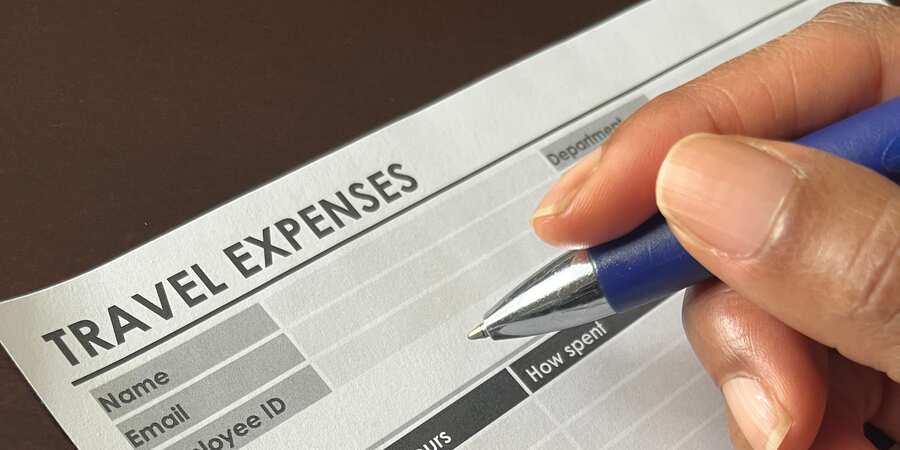
Employees who travel for business may need to spend money on transportation, lodging, meals, communication, and miscellaneous costs. These expenses fall under the category of work-related travel expenses.
Corporate travel managers aim to streamline reimbursements by simplifying approval processes and ensuring that employees don’t face delays or complexities.
While business travel enables organizations to expand markets, improve client service, and support branch operations, the associated expenses must be monitored closely.
Categories of Work-Related Travel Expenses
Every expense claimed must serve a legitimate business purpose. Common categories include:
1. Transportation Costs
Expenses include airfare, train tickets, fuel, taxi fares, parking, and even public transport when traveling outside the home city. Commuting between home and the regular workplace isn’t eligible.
2. Subsistence Allowance
Covers meals and beverages during business trips. Companies may set daily limits or allowances to control spending.
3. Business Communication
Phone calls, internet charges, and fax services used for work during a trip fall under this category.
4. Lodging and Accommodation
Includes hotel stays or service apartments for business trips. Personal stays or expenses for family or friends are not reimbursable. Additional claims can include laundry, Wi-Fi, and tips.
Unreceipted or personal expenses (e.g., shopping or fines) are generally non-reimbursable.
How Travel Policies Help Streamline Costs
An effective travel policy ensures smooth business trips and simplifies bookings, approvals, and reimbursements. Clear guidelines can enhance employee satisfaction and drive cost control.
Modern employees prefer mobile access to booking tools. Providing them with self-booking options through platforms allows greater flexibility and helps employees find better transport and lodging deals—while staying within policy limits.
How to Efficiently Manage Travel Expenses
Managing diverse categories of work-related travel expenses can be complex. Common challenges include policy non-compliance and delays in manual expense report submissions.
To tackle this, many companies are switching to SaaS-based expense management platforms. Here’s how they help:
- Store and organize travel expense records for audits and tax deductions.
- Provide real-time insights into each transaction for cost tracking.
- Automate workflows to speed up approvals and reimbursements.
- Offer mobile apps for bookings and instant expense submissions.
- Improve compliance with policy integration and automated controls.
Conclusion
Efficiently managing work-related travel expenses is essential to controlling company costs. Clear travel policies, spending limits, and automation through expense management tools can lead to significant time and cost savings. Leveraging platforms allows organizations to modernize their travel and expense ecosystem while keeping employees productive and compliant.
FAQs: Work-Related Travel Expenses
Why is business travel important?
Business travel supports sales growth, client engagement, and operational control of remote offices.
What types of expenses are covered?
Common types include transport, meals, accommodation, and communication.
What is excluded from transport costs?
Travel from home to the office is not covered. Only outstation or client-related travel is reimbursable.
Which policy features improve employee satisfaction?
Allowing self-booking via approved tools gives employees more flexibility and control.
How can businesses better manage these expenses?
Using cloud-based platforms helps automate bookings, expense tracking, and reimbursements while improving policy adherence.