
The Essential Guide to Corporate Group Travel Booking
Organizing group travel for multiple teams can quickly become overwhelming without the right strategy and experience. From budget planning to ensuring comfort and coordination, group travel requires a streamlined process and attention to detail. Travel managers and agents must sift through countless options to find the best fit for everyone, balancing comfort, cost, and convenience. Here’s a detailed guide to help you master the essentials of booking group travel for corporate teams.
1. Define the Purpose and Goals of the Trip
A well-defined purpose sets the foundation for a successful business trip. Whether the objective is to network, attend training, strengthen team bonds, or pursue new business leads, clarity ensures better ROI. Travel managers should collaborate with department heads to align the itinerary with the trip’s goals. For instance, if the purpose is business development, the focus should be on meetings and client interactions, minimizing distractions or routine activities.
2. Set a Realistic and Flexible Budget
Once the trip’s objective is clear, the next step is budget planning. Consider factors such as group size, destination, travel duration, and unforeseen expenses. Allocating per-person budgets based on the traveler’s role or hierarchy ensures cost efficiency. Don’t forget to explore corporate discounts and group travel deals to optimize costs. A clear budget structure not only helps in tracking expenses but also avoids overspending.
3. Choose the Right Mode of Transportation
Transportation is a crucial part of any group trip. For long-distance or international travel, airlines are typically the most time-efficient choice. Book flights well in advance and match seating classes to employee levels—such as business class for executives and economy for staff. Trains can be a viable alternative for certain routes, though they may extend travel time. Rental cars booked in advance can help avoid delays and unlock additional discounts. Always review cancellation policies and keep alternate transport options ready for last-minute changes.
.
4. Select Accommodations Strategically
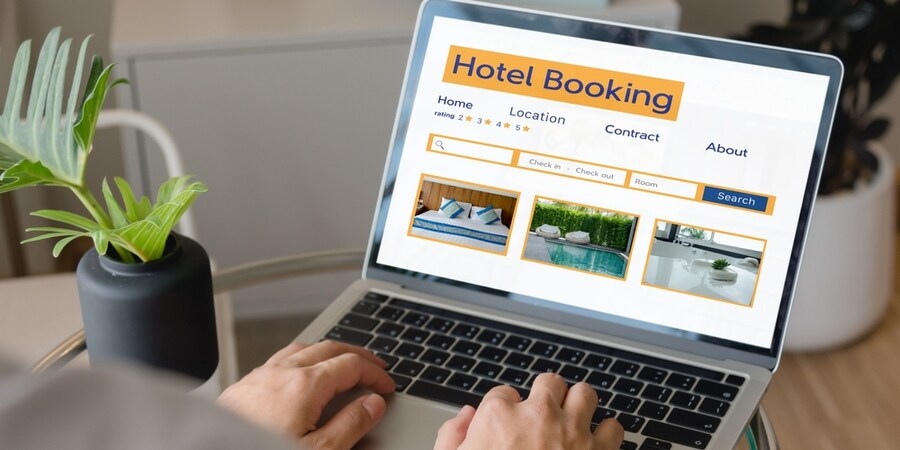
While luxury hotels may seem appealing, opting for well-rated 3- or 4-star properties can significantly reduce accommodation costs for large groups. VIP travelers can still be booked into premium rooms for a balanced approach. Always negotiate directly with hotels for corporate or group rates. For business trips that include meetings or events, choose hotels with on-site conference rooms or event spaces. If events are hosted offsite, aim to book lodging nearby to minimize travel time and frustration.
5. Plan Engaging Group Activities
In today’s corporate world, bleisure travel—a mix of business and leisure—is becoming increasingly popular. Including group outings, team-building exercises, or local sightseeing can refresh employees and strengthen team dynamics. Allocating part of the budget to such activities demonstrates a commitment to employee well-being and enhances the overall travel experience.
6. Communicate Clearly with the Group
Even the best-laid plans require seamless communication. Share itineraries, emergency contact lists, and packing guidelines well in advance. Consider running pre-trip surveys to gather preferences or suggestions from the team. Clear communication about the company’s duty of care policy and emergency procedures helps ensure traveler safety and preparedness during unforeseen events.
Conclusion
Corporate group travel booking isn’t just about logistics—it’s about creating a balance between company objectives and employee satisfaction. With proper planning, negotiation, and communication, travel managers can design trips that are cost-effective, comfortable, and meaningful. A well-executed group travel plan reflects professionalism and can strengthen both internal teams and external partnerships.
Group Travel Booking FAQs
Q1: What is group travel booking?
Group travel booking refers to the coordinated arrangement of flights, hotels, and other travel elements for more than two travelers, often used for corporate teams to secure bulk discounts and group amenities.
Q2: Why is group travel booking important?
Group travel helps organizations save on costs through shared accommodations and bulk rates, while also fostering better teamwork and coordination among employees.
Q3: What are the key steps in group travel booking?
The essential steps include defining trip goals, budgeting, selecting transportation and accommodations, planning group activities, and ensuring clear group communication.