Business vs Leisure Travel: Key Differences and Insights
People travel for various reasons—attending weddings, exploring new places, participating in business meetings, or seeking adventure. However, travelers generally fall into two broad categories: Business vs Leisure Travel. While both involve going from one location to another, the goals, expectations, and travel behaviors are significantly different.
Let’s dive into what sets business and leisure travel apart and what each traveler typically looks for.
Who Are Leisure Travelers?
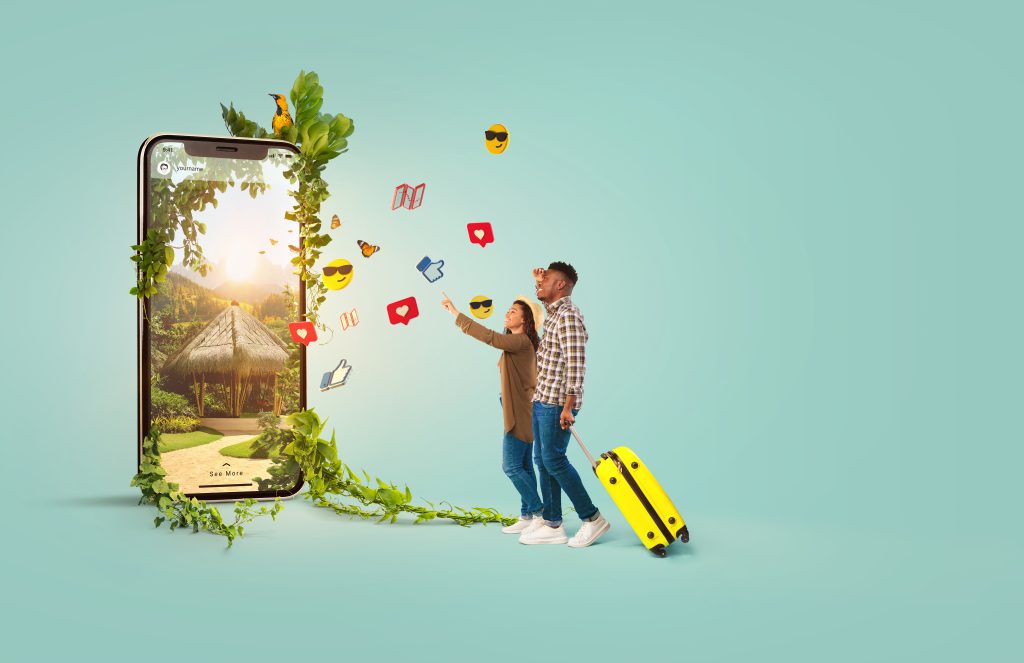
Leisure travelers are individuals who travel primarily for relaxation, personal enjoyment, or special occasions like vacations, honeymoons, or family gatherings. They may travel solo, as couples, or with groups. Leisure trips are usually flexible in terms of itinerary, allowing travelers to make spontaneous decisions without any work-related obligations.
Business vs Leisure Travel: A Comparative Breakdown
The contrast between business and leisure travel becomes clearer when we analyze them across specific travel parameters:
1. Purpose of Travel
- Business Travel: Involves traveling with a specific work-related objective—such as attending meetings, conferences, sales visits, or project work. Employees often represent their company and must adhere to a tight schedule.
- Leisure Travel: Focuses on recreation, sightseeing, and relaxation. It allows travelers to unwind and take a break from routine life. It can include family vacations, adventure trips, or cultural exploration.
2. Time and Location Flexibility
- Business Travel: Offers limited flexibility. Locations are determined by business requirements, such as client offices or trade shows. Accommodations are typically in business districts or near the event location. Travel dates are fixed around work schedules.
- Leisure Travel: Highly flexible. Travelers can choose the timing, destination, and accommodation based on personal preferences, seasonal offers, or vacation time.
3. Cost Considerations
- Business Travel: Companies typically cover costs, so budget flexibility is higher. However, organizations aim to balance travel experience with cost-effectiveness. ROI from travel is often considered.
- Leisure Travel: Cost-sensitive. Most leisure travelers are budget-conscious and often look for package deals, off-season discounts, and cheaper alternatives.
4. Connectivity Needs
- Business Travel: Requires constant connectivity for emails, video calls, and access to corporate systems. High-speed Wi-Fi is essential in hotels and airports.
- Leisure Travel: Connectivity is optional and often used for navigation, social media, or casual browsing. Many travelers prefer to disconnect while on holiday.
5. Hotel Preferences and Amenities
- Business Travelers Need:
- A work desk
- Charging stations
- Meeting rooms
- 24×7 Wi-Fi access
- Fitness center
- Room service
- Leisure Travelers Prefer:
- Entertainment options
- Swimming pools and spas
- Family-friendly amenities
- Proximity to tourist attractions
- Recreational activities
Conclusion
The global travel industry thrives on both business and leisure travel, each serving different purposes. While business travel is centered around productivity, corporate goals, and ROI, leisure travel prioritizes enjoyment, exploration, and personal relaxation.
Understanding these differences helps companies enhance employee experiences through smart travel policies and tools, which simplifies corporate travel bookings and ensures compliance. Leisure travelers, on the other hand, benefit from flexible itineraries and cost-effective tour packages.
Business vs Leisure Travel FAQs
Q1: What is the main difference between business and leisure travel?
Business travel is work-focused; leisure travel is for enjoyment.
Q2: What do you call a combination of business and leisure travel?
It’s known as Bleisure travel.
Q3: What percentage of international travel is business-related?
Roughly 9% of international travel falls under the business category.
Q4: What are examples of leisure travel activities?
Sightseeing, spa visits, fine dining, swimming, and shopping.
Q5: Who pays for business travel expenses?
Employers typically cover the costs. Entrepreneurs may pay out-of-pocket.
Q6: What is an example of a business trip?
A sales executive visiting a client for a pitch or demo.
Q7: What are the benefits of business travel?
Networking, building relationships, closing deals, and brand expansion.
Q8: What defines leisure in travel?
Travel that is meant for relaxation, recreation, and enjoyment.