

Top Hotel Safety Tips for Business Travelers
Hotels are designed to be a place of comfort and convenience for travelers. While most accommodations uphold high safety standards, unexpected situations such as theft, fire, or natural disasters can still occur. This is why business travelers must remain alert and prepared. From booking to check-out, implementing simple precautions can make all the difference. Here’s a comprehensive guide to hotel safety tips that every corporate traveler should follow.
Before You Book: Secure Your Stay from the Start
1. Research the Hotel Thoroughly
Before making any booking, investigate the hotel’s reputation. Look for verified guest reviews, safety ratings, and information about the location. Avoid accommodations in unfamiliar or unsafe neighborhoods—even if the prices seem attractive. Travel managers should always keep backup hotel options in case the preferred choice falls through.
2. Verify the Booking Platform or Travel Agent
Only use trusted platforms or certified travel agents to avoid scams. Review ratings and client testimonials before booking. Falling prey to fraudulent booking sites can lead to lost money and canceled reservations.
3. Double-Check All Booking Details
Before finalizing the booking, review all details including guest names, dates, and room preferences. This helps avoid costly cancellation fees or the hassle of correcting errors later.
At Check-In: Be Smart and Subtle

4. Read the Hotel Policies
Understand the hotel’s policies on cancellations, fees, guest behavior, and safety. Some hotels may include hidden charges, so it’s wise to clarify everything in advance to avoid unpleasant surprises.
5. Keep Personal Information Private
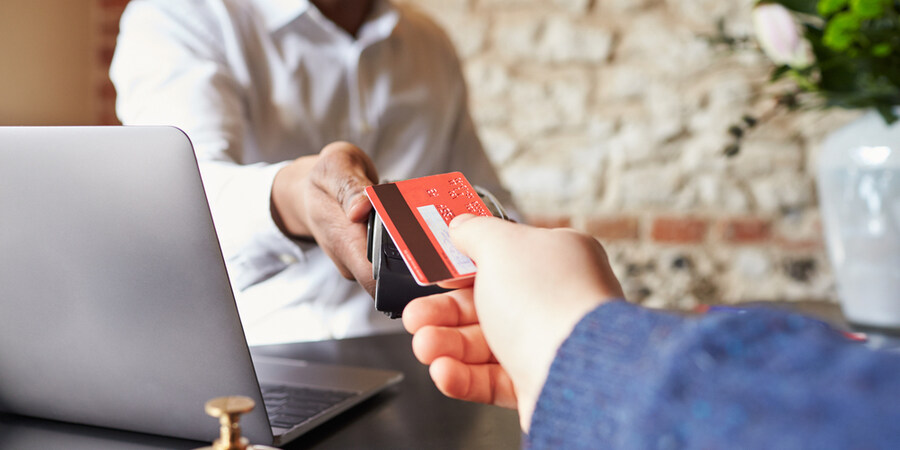
Do not speak your room number or other personal details out loud at the reception desk. Request the hotel staff to write it down instead. If online check-in is available, opt for that to limit public exposure of your information.
6. Inspect Your Room Immediately
Check the room thoroughly upon arrival. Test the lights, appliances, bathroom fixtures, and locks. Examine the mattress and corners for cleanliness or signs of pests. If something seems off, report it immediately and request a room change if needed.
During Your Stay: Stay Cautious and Aware
7. Learn the Hotel Layout
Locate the emergency exits, stairs, fire extinguishers, and evacuation routes. Familiarize yourself with the nearest exits in case of an emergency. Save the hotel’s contact information and front desk number on your phone.
8. Use a VPN for Internet Access
Avoid using the hotel’s open Wi-Fi without protection. Use a secure VPN to safeguard sensitive work information and personal data from cyber threats and hackers—especially during business travel.
9. Keep Essentials with You
When leaving the hotel, carry some cash, your room key, the hotel’s business card, and a working phone. Place the “Do Not Disturb” sign on the door to give the impression that someone is in the room.
At Check-Out: Wrap It Up Securely
10. Do a Final Room Check
Before leaving, inspect the room thoroughly to make sure you haven’t left behind chargers, electronics, documents, or other personal items. A packing checklist can help ensure nothing is missed.
11. Confirm Payments and Refunds
Verify that all bills—room charges, meals, or services—have been settled. If a security deposit was made during check-in, make sure it’s refunded. Retrieve any documents or IDs submitted at the front desk.
12. Avoid Oversharing Information
Maintain discretion when talking to hotel staff or fellow guests. Do not disclose details about your next destination, meetings, or travel plans.
Conclusion
Hotel safety is a vital part of any business trip. By taking small but essential steps before, during, and after your stay, you can minimize risks and ensure a smoother, more secure travel experience. These hotel safety tips empower business travelers to protect themselves and focus on the goals of their trip with peace of mind.
Hotel Safety Tips FAQs
Q: Why is researching a hotel important before booking?
A: Research helps identify safe, reliable accommodations and avoid issues such as hidden fees or unsafe neighborhoods.
Q: Why should personal information be kept private at check-in?
A: Sharing sensitive details publicly can lead to identity theft or targeted scams. Keep your check-in discreet.
Q: Why is it important to inspect your room upon arrival?
A: Ensuring everything works properly and is clean helps avoid future issues or charges for damage you didn’t cause.

